
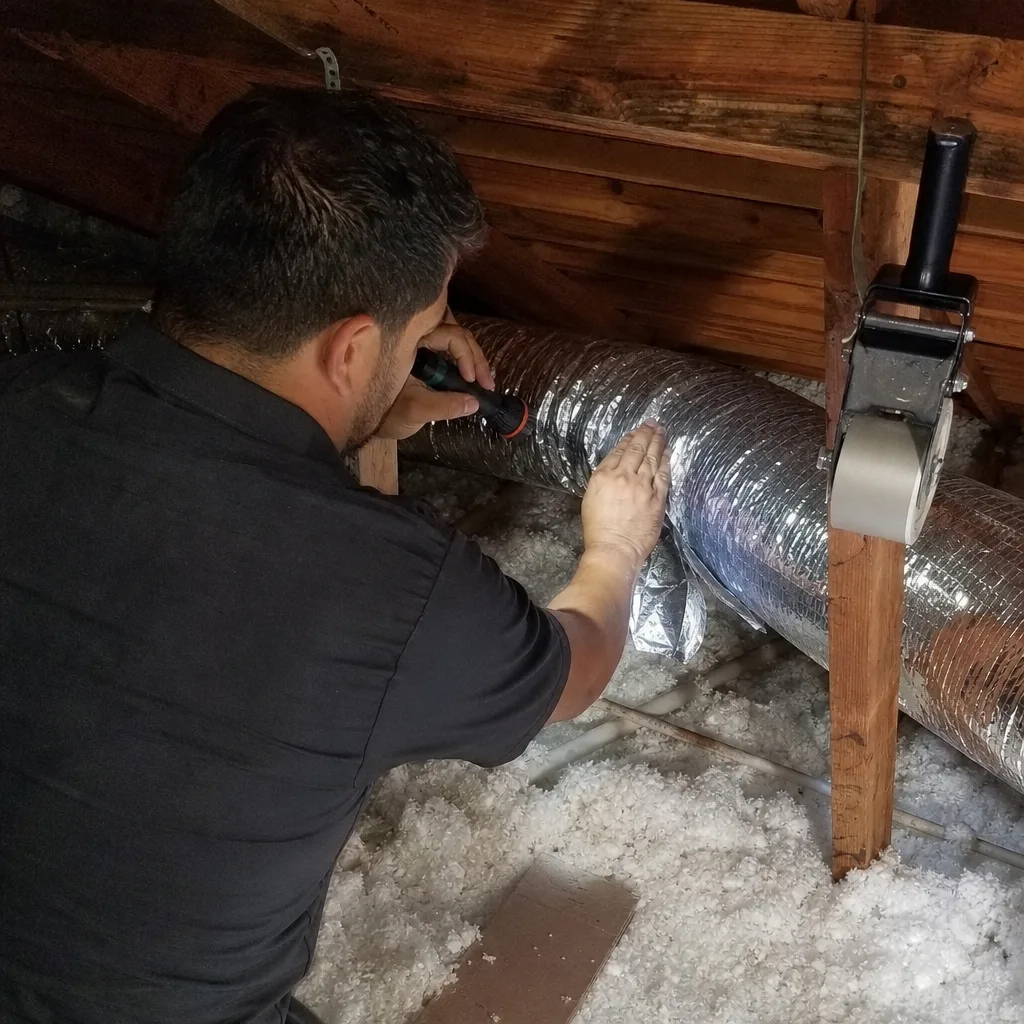
Last updated November 25, 2026
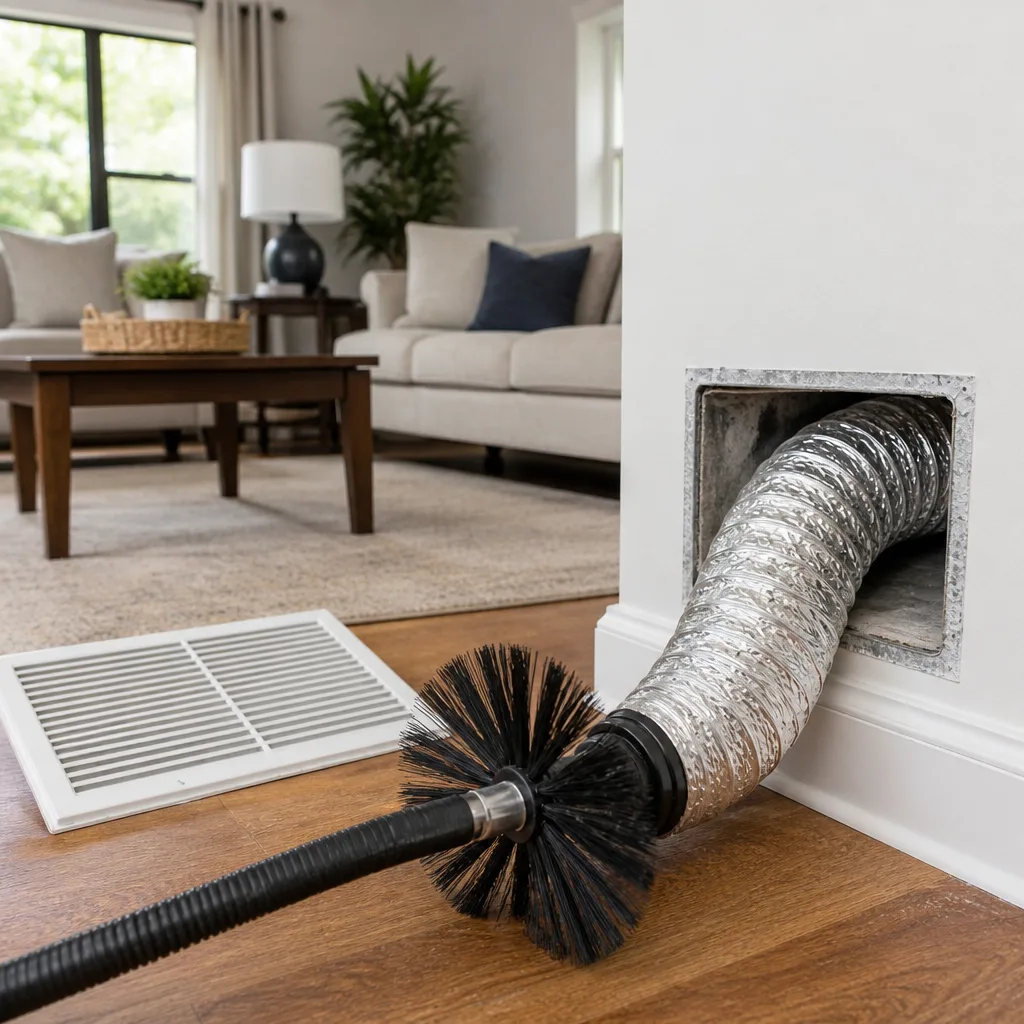 Whole-home duct cleaning
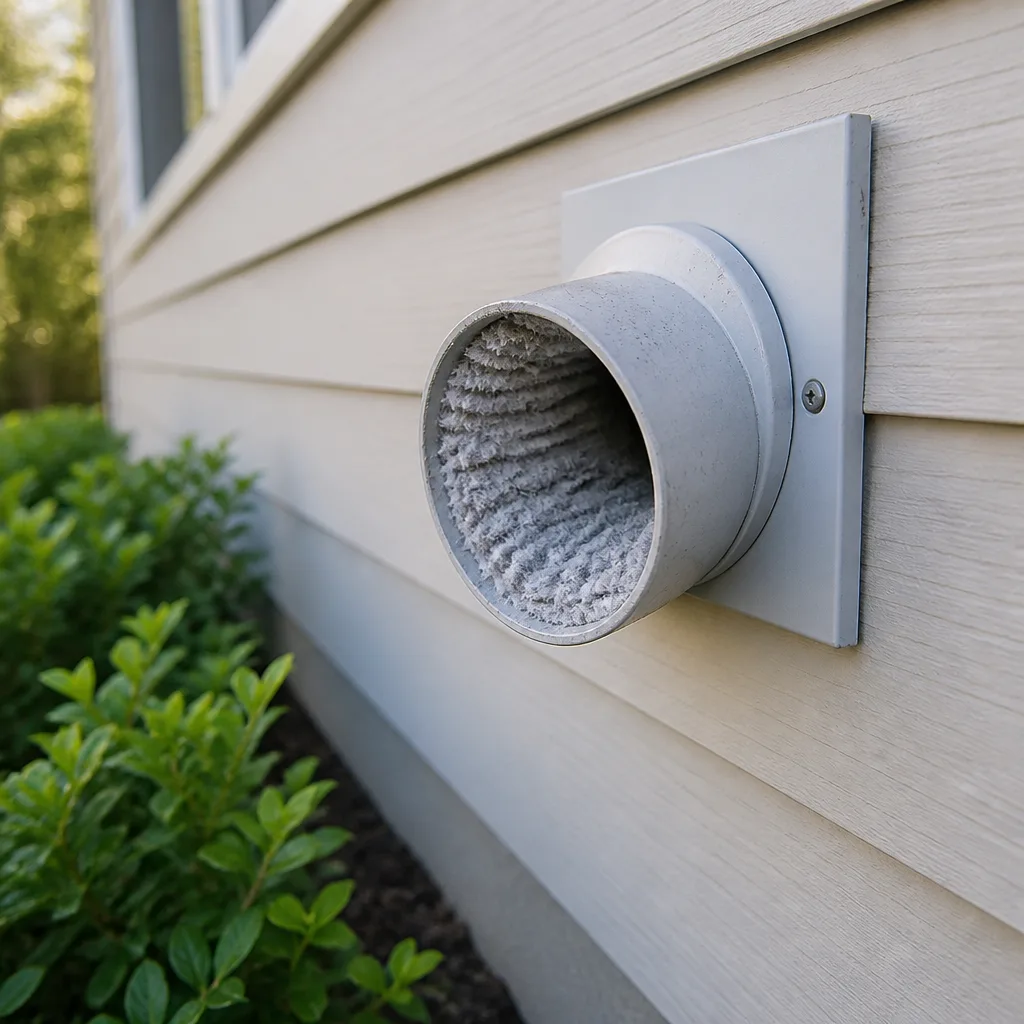 Dryer vent cleaning
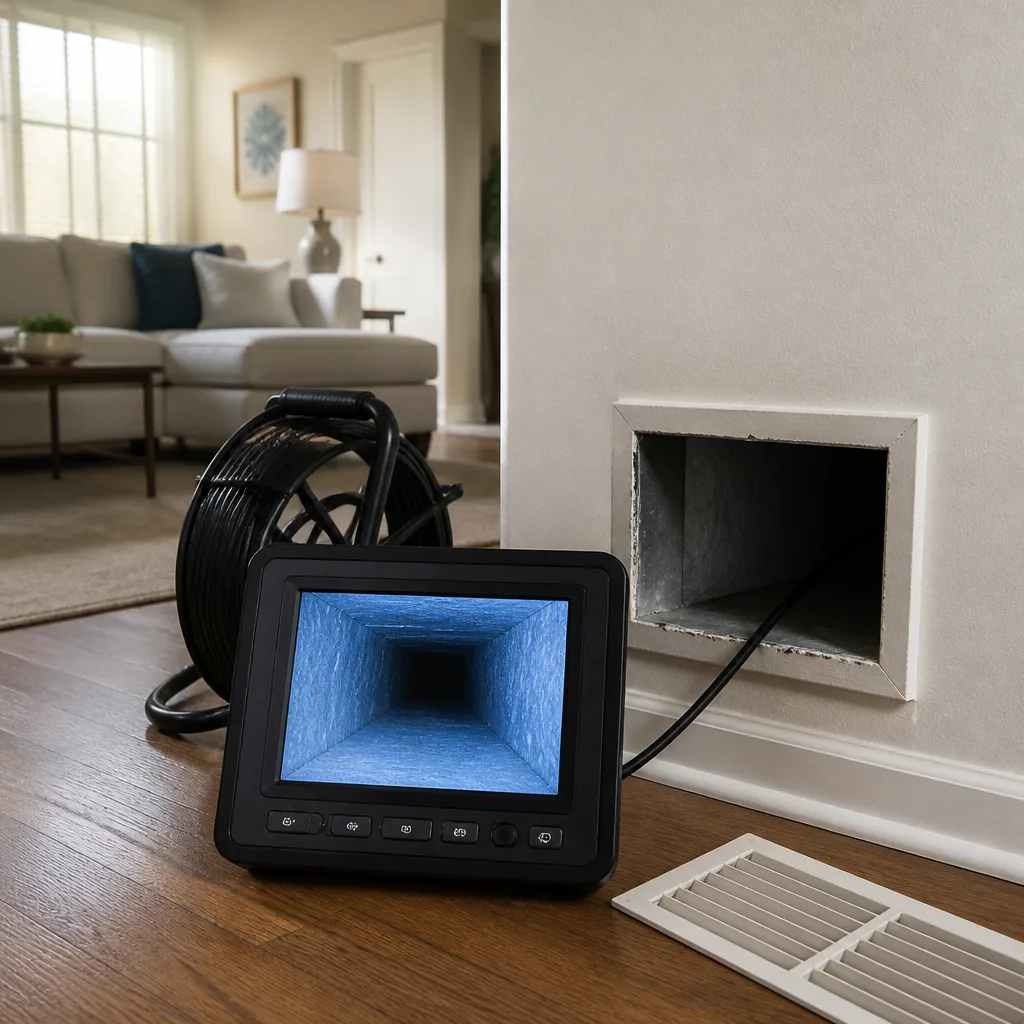 Camera inspection
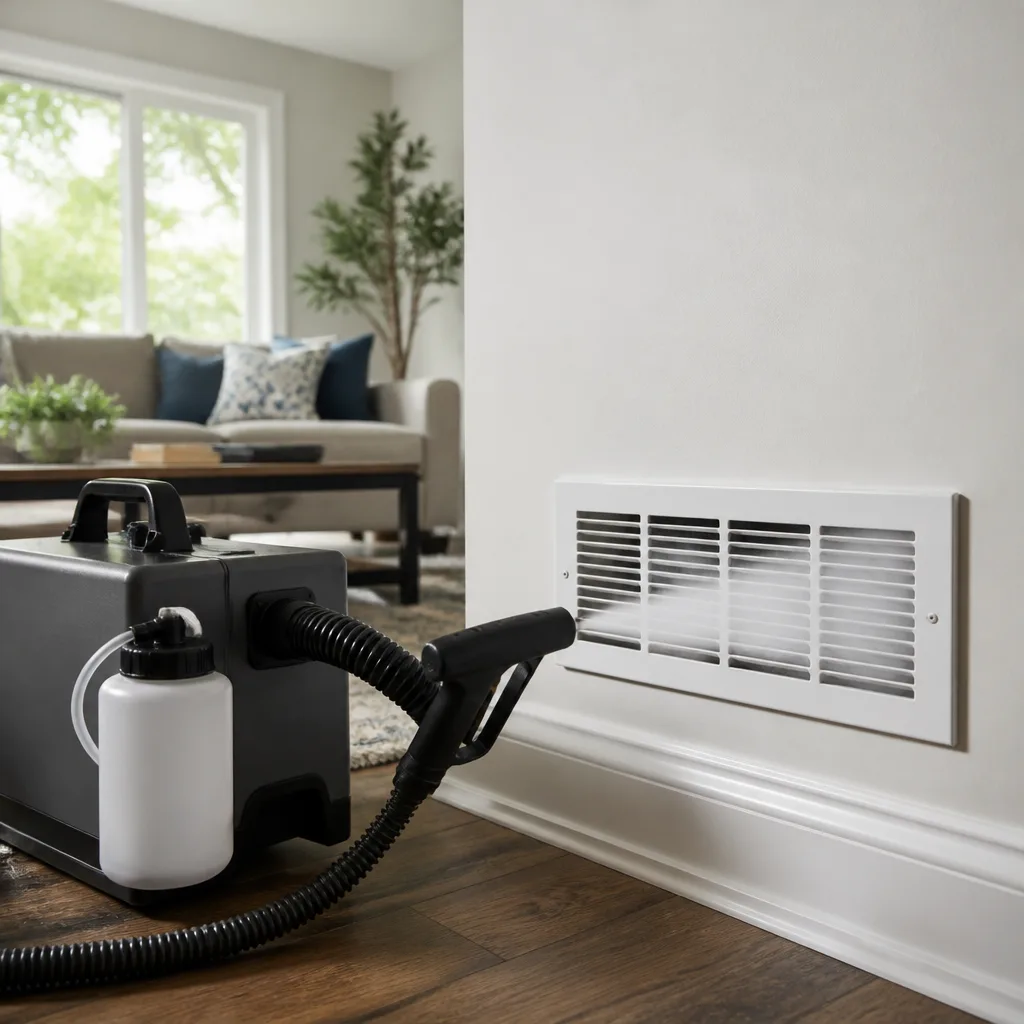 Sanitizing & deodorizing
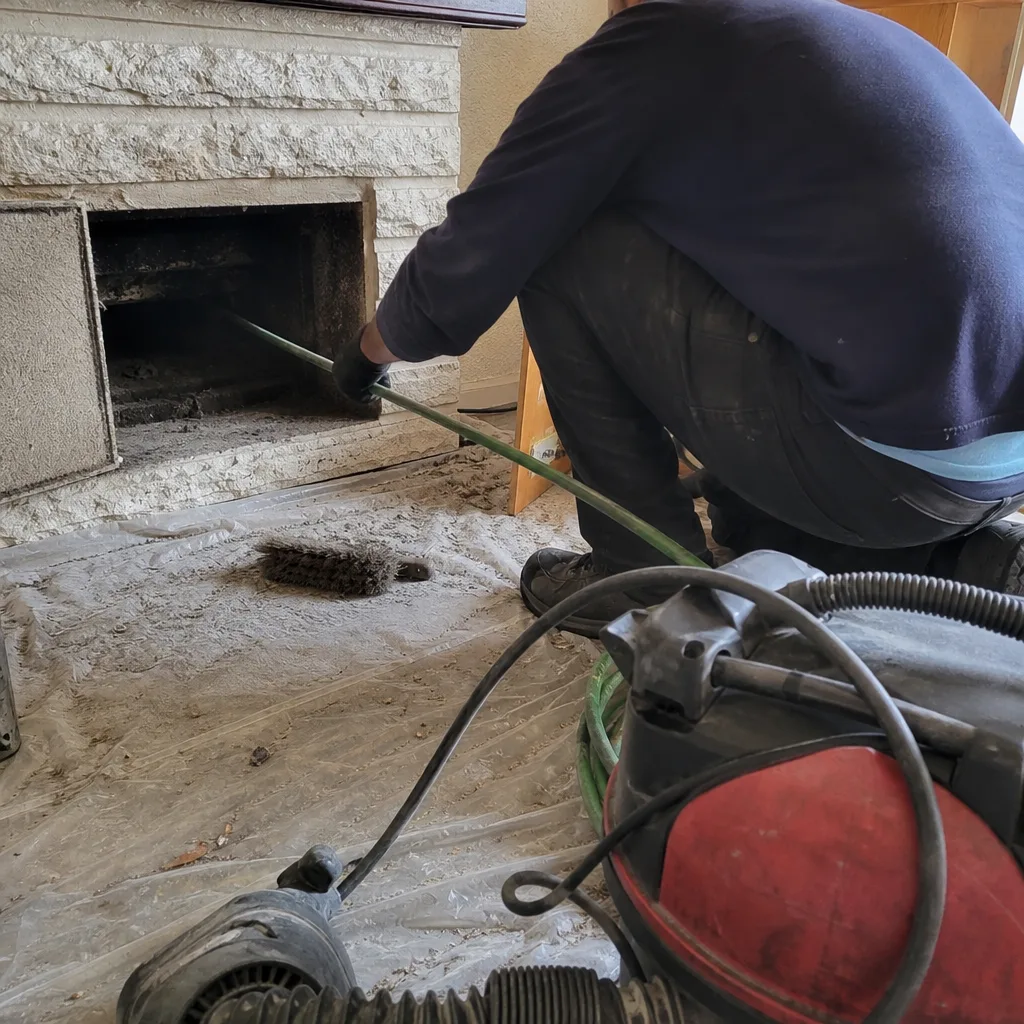
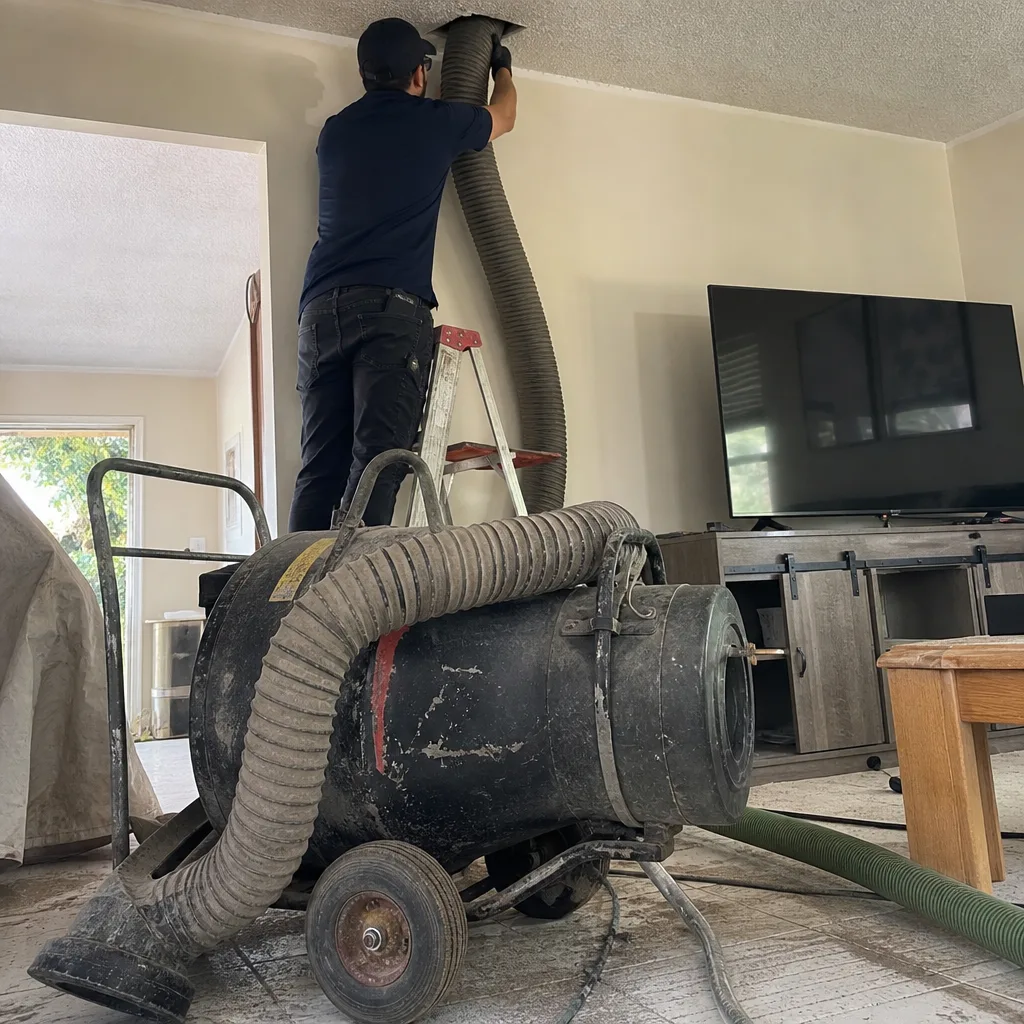
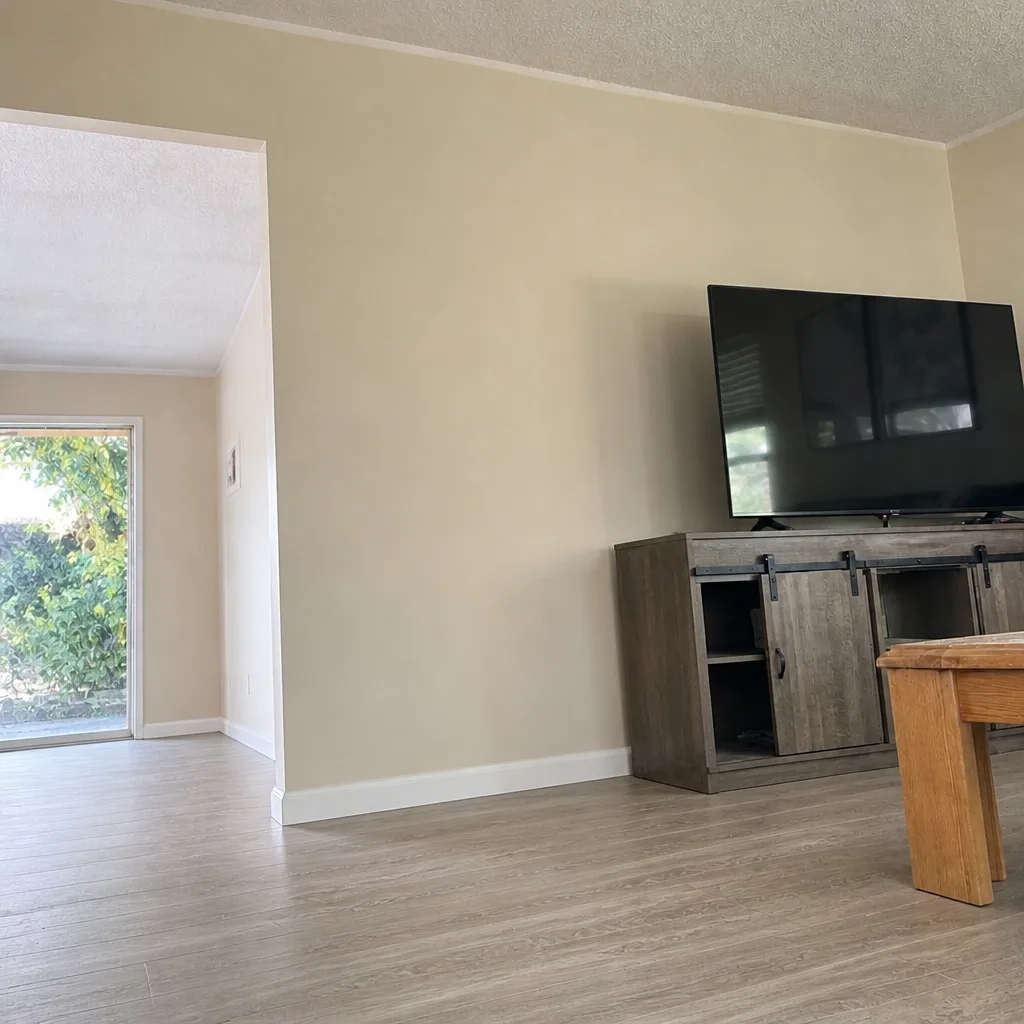
Whole-system duct and dryer vent check with before-and-after photos - you see exactly what came out of your vents
That "$99 whole-house special" is a bait ad - the real number appears once they are in your hallway, or the "clean" is a shop-vac at the register. We photograph the inside of your ducts before and after instead.
Air Duct Cleaning Permits, Codes & Inspections in Mission Viejo, CA: What You Need to Know
Here’s the part most homeowners miss. Standard air duct cleaning in Mission Viejo usually needs no permit at all. That’s the good news, and it’s also the trap. The moment a contractor cuts a new access hole into your plenum box, replaces a length of flex duct, or reworks the connection at your air handler, the job stops being a cleaning and becomes a mechanical modification – the kind of work California’s mechanical code and your local building department care about. A low-bid operator who skips the paperwork doesn’t absorb that risk. You do, as the property owner. In this guide we’ll draw the exact line: which tasks are exempt, which are regulated, how Orange County and the City of Mission Viejo divide authority, what “cleaning only” scope language should say, how duct sealing gets classified, and what documents to keep for resale.
Quick Answer
Routine air duct cleaning in Mission Viejo does not require a building permit. The work becomes permit-required when it involves new duct openings or access cuts beyond a standard service port, replacement or rerouting of duct sections, modifications to the air handler or plenum connection, or any change to the system’s air distribution. Duct sealing with mastic is generally treated as maintenance and exempt; aerosol sealing of the whole system needs to be checked with the City of Mission Viejo building department before work starts. Ask any contractor to state in writing which category their work falls into.
Styles & brands we work with
- Whole-home duct cleaning
- Dryer vent cleaning
- Camera inspection
- Sanitizing & deodorizing
Table of Contents
- Cleaning vs. Modifying: Where the Permit Line Actually Falls
- What California Mechanical Code Section 504 Says About Your Duct System
- City of Mission Viejo vs. Orange County: Who Has Jurisdiction
- Scope Language That Keeps “Cleaning Only” Clearly Exempt
- How Duct Sealing and Aerosol Sealant Get Classified
- What an HVAC Inspection Actually Looks At
- Documentation to Collect for Resale Disclosure
- Why Mission Viejo’s Climate Makes Duct Condition Matter
Cleaning vs. Modifying: Where the Permit Line Actually Falls
Think of it as two different trades sharing one set of ducts. Cleaning is maintenance. Modification is construction. They look similar from the driveway, and that’s exactly why homeowners get confused.
Here’s how we draw the line in the field:
- Permit-exempt cleaning: mechanical agitation and negative-pressure extraction of dust, debris, and buildup from existing duct runs, registers, grilles, and the air handler cabinet, using the duct openings that already exist. No new holes, no cut material, no change to the layout.
- Permit-exempt maintenance: replacing a register boot or grille cover with a same-size component, cleaning the blower wheel or evaporator coil in place, and applying mastic sealant to accessible joints.
- Usually permit-required: cutting a new access opening into a plenum or trunk line where none exists, replacing a run of flex duct, rerouting ductwork, and reconnecting the plenum to a new or relocated air handler.
- Always permit-required: adding or removing supply or return registers, changing duct sizing, or altering the system in a way that changes airflow distribution through the home.
Robotic brush systems like the Nikro and Rotobrush lines are designed specifically to work through existing openings, which is one reason professional cleaning rarely needs a new hole. When a technician tells you the ducts can only be cleaned properly by cutting in, ask why the existing access isn’t sufficient. Sometimes the answer is legitimate – a hidden trunk line with no service point – but it should come with a permit conversation, not a shrug.
The residential housing stock around Mission Viejo matters here. Many neighborhoods built through the 1970s and 1980s have flex duct runs and plenum configurations that have been patched, extended, or rerouted since original construction. If you’re looking at a home where the duct layout doesn’t match the original plans, a full cleaning assessment is a good first step – and so is a straight answer about whether anything beyond cleaning is needed.
What California Mechanical Code Section 504 Says About Your Duct System
Section 504 of the California Mechanical Code addresses duct systems directly – materials, installation, support, and sealing requirements. It is part of the adopted building standards that apply statewide, and it’s the section a building inspector pulls out when ductwork is part of a permitted scope.
What that means in practice:
- Duct materials and connections installed as part of a permitted job must meet the code’s requirements for that application. A contractor swapping a duct section under permit is certifying the new material and the joints.
- Sealing requirements apply to the system as installed. When you hire a company for duct repair and sealing, the work should leave joints and connections tighter than they found them, not just visually patched.
- Support and routing requirements apply to any new duct run. A rerouted line that sags, kinks, or loses static pressure isn’t just inefficient – it’s a code issue if it was installed under permit.
We’re not a code enforcement office, and we won’t pretend to interpret Section 504 for your specific project. What we can tell you is this: any contractor who tells you that duct modifications never need a permit either hasn’t read the code or is hoping you haven’t. If your project involves anything beyond cleaning and sealing, the safest move is a quick call to the City of Mission Viejo building department. It takes a few minutes and it protects you.
One more thing worth knowing: a permit isn’t a badge of quality on its own. It’s a chain of accountability. The permit means an inspector will look at the work, and that inspection record becomes part of your home’s documented history. For a system as hidden as ductwork, that documentation has real value.
City of Mission Viejo vs. Orange County: Who Has Jurisdiction
Mission Viejo is an incorporated city, which means it has its own building department and issues its own permits for residential HVAC and duct work within city limits. Orange County handles unincorporated areas and certain regional functions. For most homeowners reading this, your project is a City of Mission Viejo matter.
A few practical implications:
- Start with the City. If your project involves new duct openings, replacements, or an air handler modification, call the City of Mission Viejo building department first. Ask specifically whether your scope requires a mechanical permit.
- Confirm the contractor’s license and standing. Any contractor pulling a permit must hold a valid state license for the work. Ask for the license number and verify it with the state licensing board. A contractor who can’t or won’t pull a permit may not be licensed for the scope.
- Understand the inspection sequence. If a permit is issued, the work will typically have a rough inspection before the system is closed up and a final inspection after. Know which stage your project is at before the contractor leaves.
- Keep the paper trail. Permit numbers, inspection sign-offs, and the final documentation belong with your home records, alongside your HVAC equipment manuals and service receipts.
Orange County also maintains broader building standards and records that can come up at resale. If you’ve inherited a home with a duct system you don’t fully understand, checking permit history with the City before you buy is reasonable diligence. A cleaning company that finds questionable prior work should tell you, not quietly seal over it. That’s a conversation we have regularly when we’re doing HVAC cleaning in Mission Viejo homes with a complicated history.
Scope Language That Keeps “Cleaning Only” Clearly Exempt
The single best protection against a permit problem is clarity in writing before work begins. A written scope of work that states exactly what will and won’t be touched is your evidence that the project stayed in exempt territory.
Here’s what a solid “cleaning only” scope includes:
- A statement of system components. Which supply runs, return runs, registers, grilles, plenum, and air handler cabinet are being cleaned, and how many of each.
- Method and equipment. What type of cleaning equipment will be used – a truck-mounted or portable negative-pressure system, agitation tools, and any containment equipment. Professional equipment like Rotobrush and Abatement Technologies filtration systems is standard in this category.
- Access approach. A statement that cleaning uses existing system openings, and a note of any planned access port for cleaning purposes only, with a maximum count and location.
- What is explicitly excluded. No new duct runs, no duct replacement, no rerouting, no air handler relocation, no changes to supply or return distribution.
- Before and after verification. Photos of the ducts before cleaning, at completion, and any debris removed. We show homeowners what we found and what we finished with, because the work is invisible once the registers go back on.
- A price stated per system. One flat price for the whole system, agreed in writing before any tool comes in the door.
The reason this matters so much in Mission Viejo is the resale disclosure. If a future buyer’s inspector finds a duct modification with no permit on record, that’s a negotiation problem you didn’t anticipate. A one-page scope document that clearly limited the work to cleaning is a straightforward answer at disclosure time.
How Duct Sealing and Aerosol Sealant Get Classified
Duct sealing sits in a gray middle ground, and the classification depends on the method.
Mastic and tape sealing at accessible joints is generally treated as maintenance and does not require a permit on its own. A technician brushing mastic onto exposed duct joints, boots, and plenum connections is doing standard repair work. This is the routine sealing we do on a lot of the older systems around Mission Viejo, where flex duct joints have loosened over decades.
Aerosol-based interior sealing – the process where a fine sealant mist is introduced into the whole duct system to coat leaks from the inside – is a different question. It modifies the interior surfaces of the entire system and can be regulated differently from a spot repair. Whether it requires a permit depends on how the sealing scope is described and how your local jurisdiction classifies it. Don’t assume it’s exempt just because nothing gets cut open.
The checklist before any aerosol sealing:
- Ask the contractor how they classify the scope and whether they consider it a permit-required modification.
- Call the City of Mission Viejo building department and describe the process plainly. Ask if a mechanical permit is required.
- Get the answer in writing, along with the product used and its manufacturer.
- Have the contractor document pre- and post-seal conditions with the system’s static pressure and any airflow measurements.
The manufacturer tracking piece matters. When we work with established product lines like Honeywell and Aprilaire air quality components, we can point to a clear product record for the homeowner. Aerosol sealers should offer the same – a named product, a datasheet, and a warranty registration. Ask for it.
What an HVAC Inspection Actually Looks At
If your project crossed into permit territory, an inspector will visit. Here’s what they typically evaluate, so you know what’s coming.
First, they’ll verify the scope matches what was permitted. If the permit was pulled for replacing six feet of flex duct and the final job involved rerouting a trunk line, that’s a discrepancy that stops the inspection.
Second, they’ll check materials and connections against the code requirements for the application. Duct material type, joint sealing, support spacing, and routing all fall under this.
Third, they’ll verify the air handler and plenum connections are correct and secure, and that no gaps or unsealed penetrations remain.
Fourth, in some cases, they’ll confirm the system’s airflow and distribution through the registers hasn’t been compromised. Any change to the number, size, or location of supply and return grilles gets attention.
What you should walk away with:
- The signed inspection card or approval record.
- The permit number and its status.
- A final set of before and after photos of the completed work.
- Any manufacturer documentation for new components, with warranty registration in your name.
Inspectors typically want to see the work before it’s fully enclosed, so timing matters. If a contractor tells you the inspection is “fine, we’ll take care of it,” ask when. The answer should be specific and it should line up with the permit process.
Documentation to Collect for Resale Disclosure
Your home’s duct history is part of your property record whether you document it or not. Documenting it protects you.
Here’s what to keep in one folder, physical or digital:
- Every service receipt. Date, service performed, company, and price. Even routine cleaning.
- Scope of work documents. The one-page cleaning scope discussed earlier, and any modification scope if applicable.
- Permit and inspection records. Permit numbers, status, and inspection sign-offs for any permitted duct work.
- Before and after photos. Include debris removed from the system. This is the clearest proof of what was actually done.
- Product documentation. Manufacturer information for sealing products, sealants, filtration components, and any air quality equipment installed.
- Warranty registrations. In your name, filed with the manufacturer.
The resale disclosure conversation is where this documentation earns its keep. A buyer’s inspector can flag an unpermitted modification whether or not you were the one who did it. If you can produce the cleaning-only scope and a photo record of the work, the conversation is short. If you can’t, you may end up absorbing a repair bill to resolve the disclosure.
That’s a strong argument for one habit: request documentation from every contractor who touches your ductwork, every time, even on a cleaning job. Clean ducts. Sealed ducts. Healthy air. The paper trail is part of the system.
Why Mission Viejo’s Climate Makes Duct Condition Matter
Mission Viejo’s mild climate is easy on HVAC equipment in one sense – no hard winters, no freeze-thaw stress on duct runs that sit in unconditioned attic space. But mild weather means the system runs year-round, which means dust, allergens, and debris accumulate continuously rather than cycling out seasonally.
The practical effect:
- Attic ductwork sees significant temperature swings between the hottest summer afternoons and cool nights. Flex duct joints and tape seals take that expansion and contraction for years.
- The system runs through most of the calendar, so the airstream carries household dust back to the registers on a long, steady basis rather than in one seasonal blowout.
- Older homes in the area, particularly those with original 1970s and 1980s ductwork, often have joints that have loosened and flex runs that have been patched or extended. A cleaning assessment reveals what the system looks like now.
None of that requires a permit to address – until a technician proposes replacing or rerouting something. That’s the moment to stop and ask the question this guide is about. For routine maintenance, air duct cleaning should always stay in the exempt category, and we’re clear about that in the scope. If you have a dryer in the home, the dryer vent cleaning side matters too – that’s a safety service, not a permit issue, but it’s often overdue in homes where the laundry has run for years without a vent inspection.
Common Mistakes to Avoid
- Assuming duct modification never needs a permit. A lot of homeowners have been told this by contractors who preferred not to deal with the process. If your scope includes cutting or replacing ductwork, ask the City of Mission Viejo building department before work starts.
- Accepting a verbal scope. “We’ll clean the ducts and fix whatever we find” is a sentence that can mean anything. Get scope in writing, with specific counts and explicitly excluded tasks.
- Letting a contractor cut access holes without a permit conversation. A new access opening in a plenum or trunk line is a modification. If nobody has mentioned the building department, ask why not.
- Skipping before and after photos. The work is invisible after the registers are back on. Photos are your evidence of what was done, and they matter at resale.
- Throwing away permit records. Homeowners often clear out files after a project finishes. Keep the permit number, the inspection sign-off, and the warranty registrations together.
- Hiring on price alone. If a quote is dramatically lower than every other quote, ask what’s missing – permit handling, containment equipment, documentation. A low bid that skips the paperwork shifts the liability to you.
- Ignoring an inherited duct system. When you buy a Mission Viejo home with ductwork of uncertain history, a mechanical inspection and a permit history check before closing is far cheaper than resolving it after.
See the difference
 Before
 After
 Before
 After
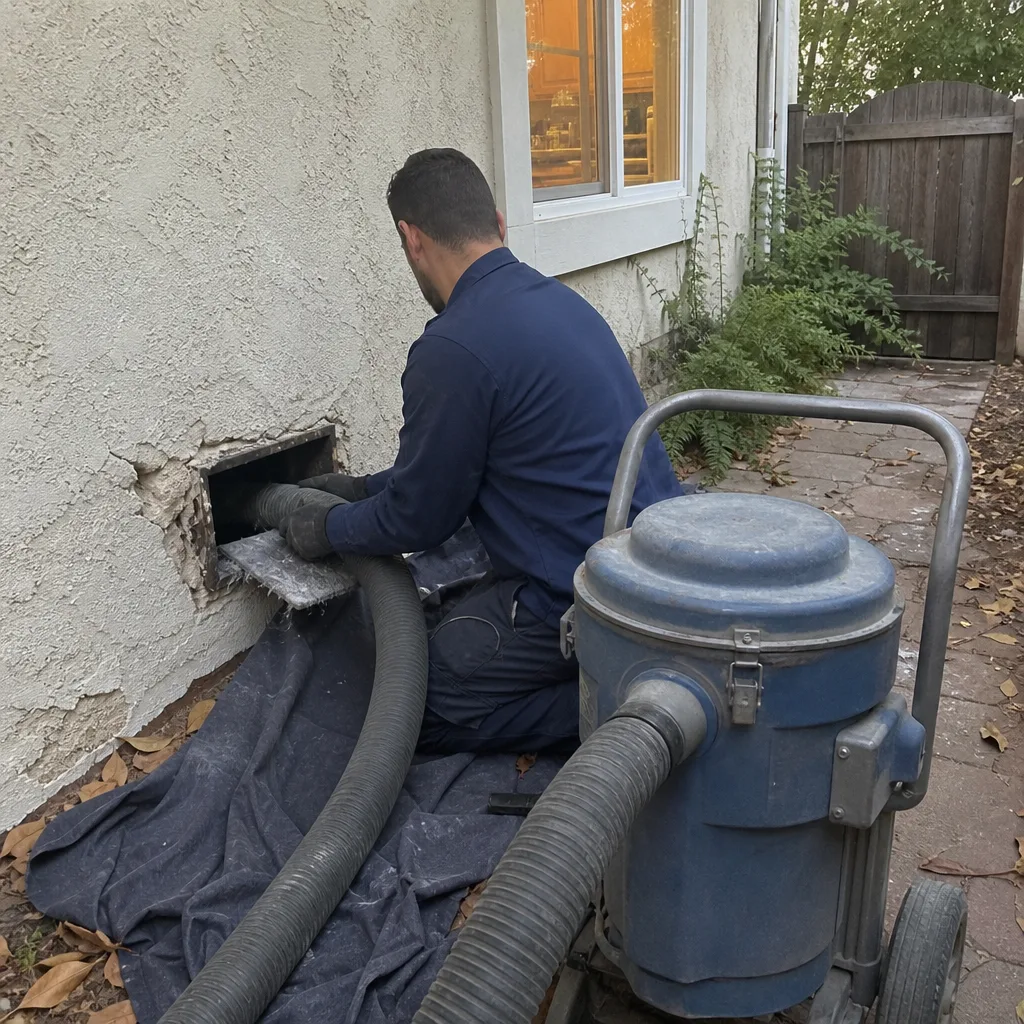 Before
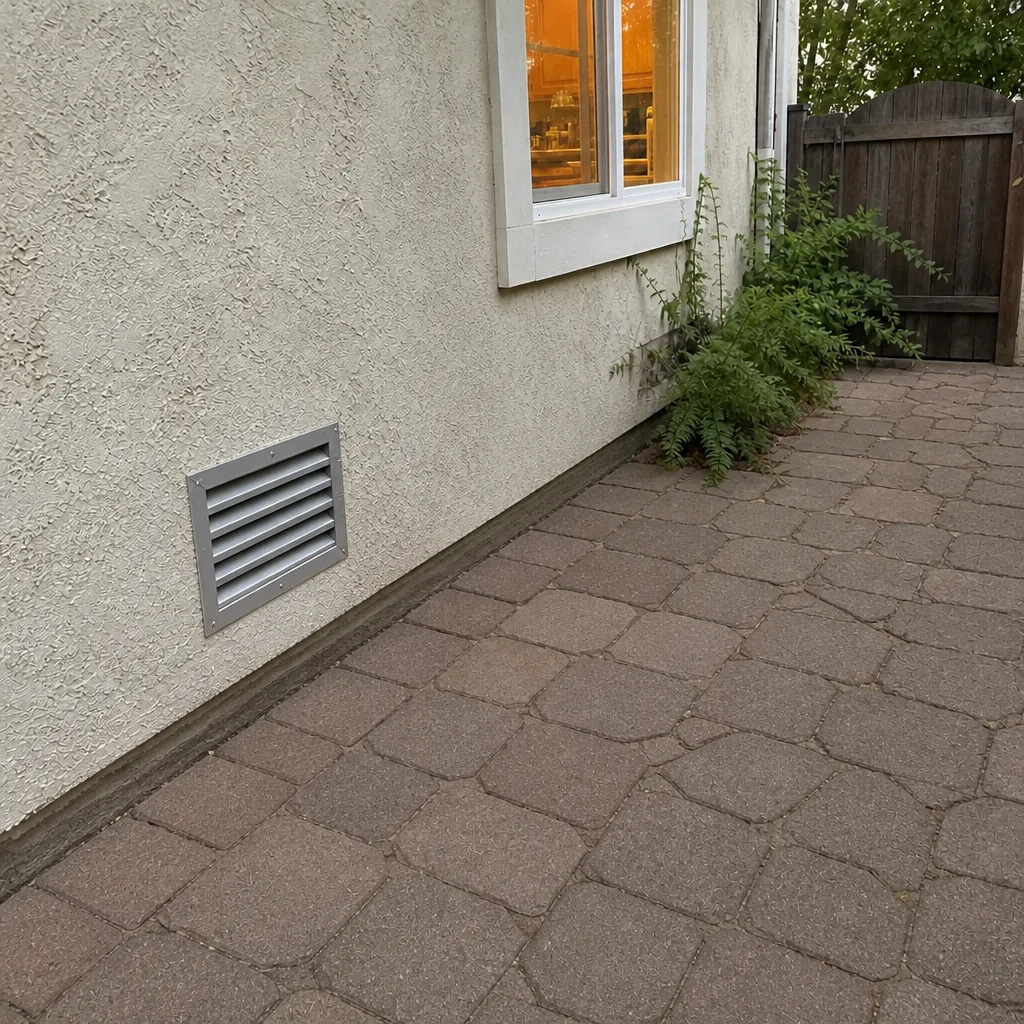 After
When to Call a Professional
Call a professional for anything you’re not confident you can assess yourself. That includes: visible dust buildup at the registers or throughout the house, a musty smell that returns after regular cleaning, a home you’ve recently purchased where the duct history is unclear, suspected unpermitted ductwork that needs evaluation, and any situation where a contractor has proposed duct replacement, rerouting, or a new access cut. Those last cases are exactly where professional assessment and documentation matter, and where having the permit conversation before work begins saves you the most.
For cleaning, sealing, and air quality work, we use professional-grade equipment – Rotobrush, Nikro, and Abatement Technologies – not shop vacuums and consumer tools. The same filtration and containment equipment used in commercial remediation comes into Mission Viejo homes on every job. Our technicians have up to 11 years of experience, and we show you what we find before we start and after we finish. Mission Viejo Air Duct Cleaning Pros offers free estimates in Mission Viejo – call (877) 883-1452. We answer 24/7. Fast dispatch from 7am to 7pm, Sunday through Friday.
Frequently Asked Questions
No. Routine air duct cleaning in Mission Viejo does not require a building permit because it uses existing system openings and doesn’t modify the mechanical system. If a contractor plans to cut a new access point or replace any duct section, that changes and a permit may be required. Call (877) 883-1452 for a free estimate – we’ll tell you upfront which category your job falls into.
Duct work that changes the system requires a permit – that includes new access openings, duct replacement or rerouting, air handler modifications, and any change to supply or return register count or location. Cleaning and spot sealing at accessible joints are generally exempt. Confirm your specific scope with the City of Mission Viejo building department before work begins.
The City of Mission Viejo issues HVAC permits for properties within city limits, since Mission Viejo is an incorporated city with its own building department. Orange County handles unincorporated areas. Call the City of Mission Viejo building department directly and describe your scope of work – they’ll tell you whether a mechanical permit applies.
Mastic sealing at accessible joints is generally treated as maintenance and doesn’t require a permit. Aerosol interior sealing is less clear and depends on how the scope is classified – it modifies the entire interior surfaces of the duct system, so call the City of Mission Viejo building department with the specifics before scheduling it. Get the answer in writing along with the product used.
It should list every component being cleaned, name the equipment and method, state that cleaning uses existing openings, explicitly exclude replacement, rerouting and new distribution changes, and include before and after photo verification. One flat price for the whole system, agreed before work starts. Ask for the scope before any tools come inside.
Keep the scope of work, permit and inspection records if any, before and after photos, product documentation, and warranty registrations in your name. That combination answers a buyer’s inspector directly and avoids an unpermitted-modification problem at disclosure. Call us at (877) 883-1452 for a free estimate on cleaning and sealing – we document every job.
The Bottom Line
Cleaning your ducts in Mission Viejo doesn’t need a permit. Modifying them usually does. That’s the entire line, and it’s the line most low-bid operators blur. Protect yourself with one habit: ask any contractor to put the scope in writing before work starts, and check the City of Mission Viejo building department when that scope includes anything beyond cleaning and accessible sealing. Keep the paperwork. On the cleaning side, professional-grade equipment – Rotobrush, Nikro, and Abatement Technologies filtration – and one flat price per system, agreed in advance, is what you should expect. The full range of work we cover runs from Mission Viejo Air Duct Cleaning Pros home services through cleaning, sealing, dryer vent safety, and air quality. Call (877) 883-1452 for a free estimate. We answer 24/7. Fast dispatch from 7am to 7pm, Sunday through Friday.
Written by the team at Mission Viejo Air Duct Cleaning Pros.