
Last updated November 25, 2026
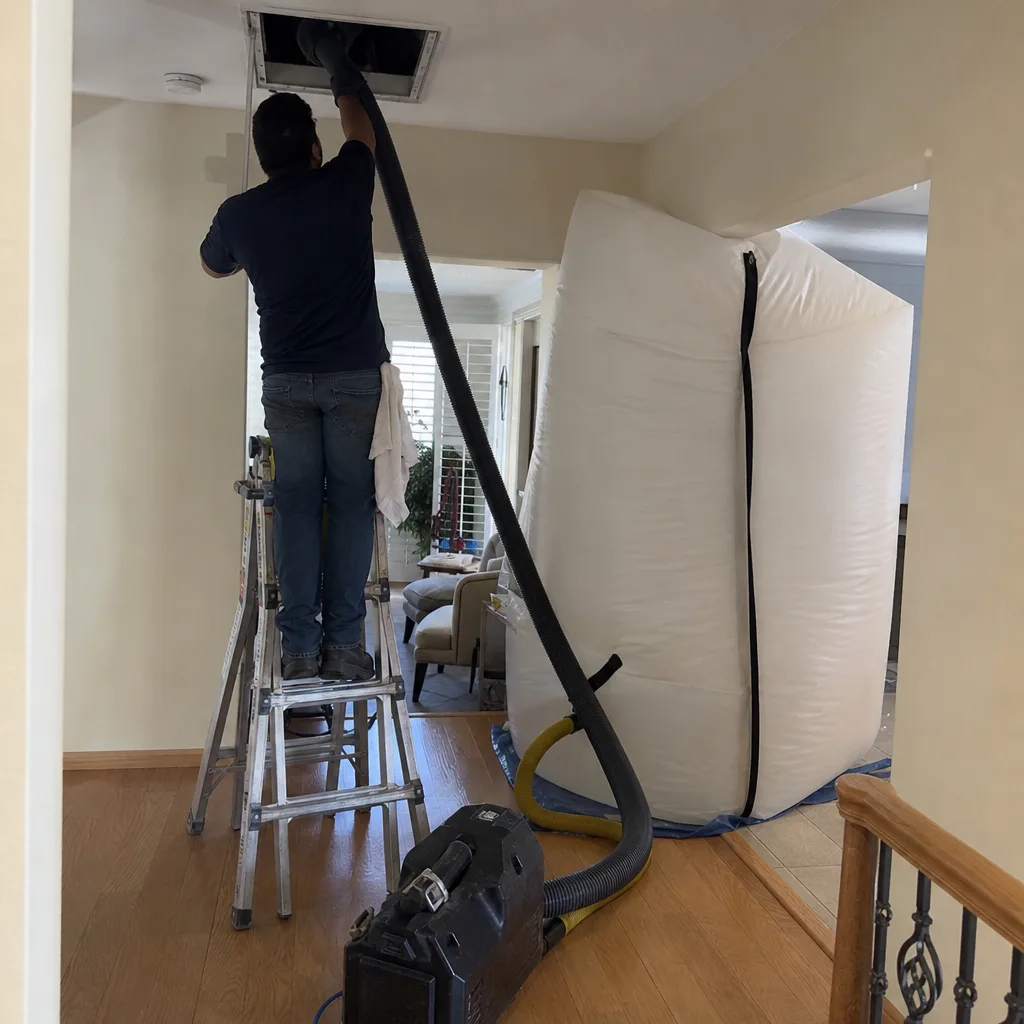
 Whole-home duct cleaning
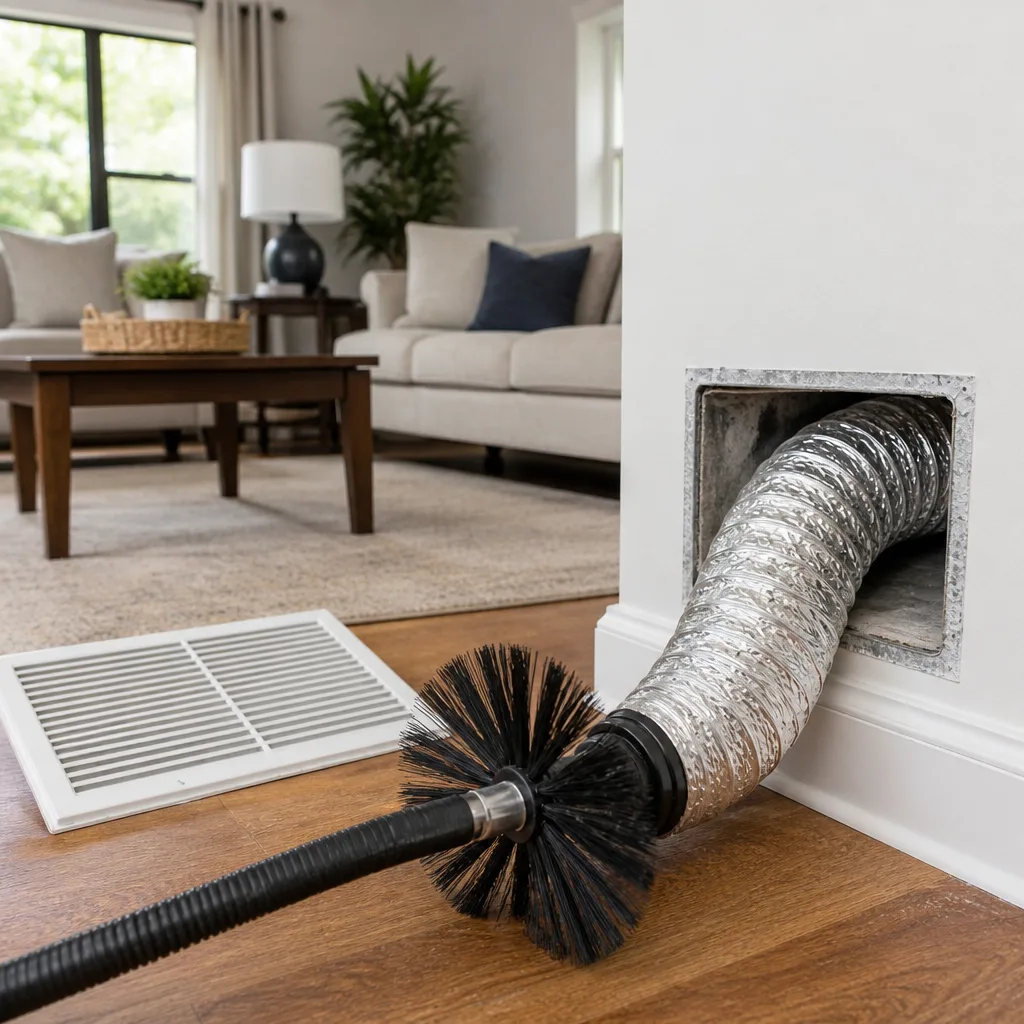
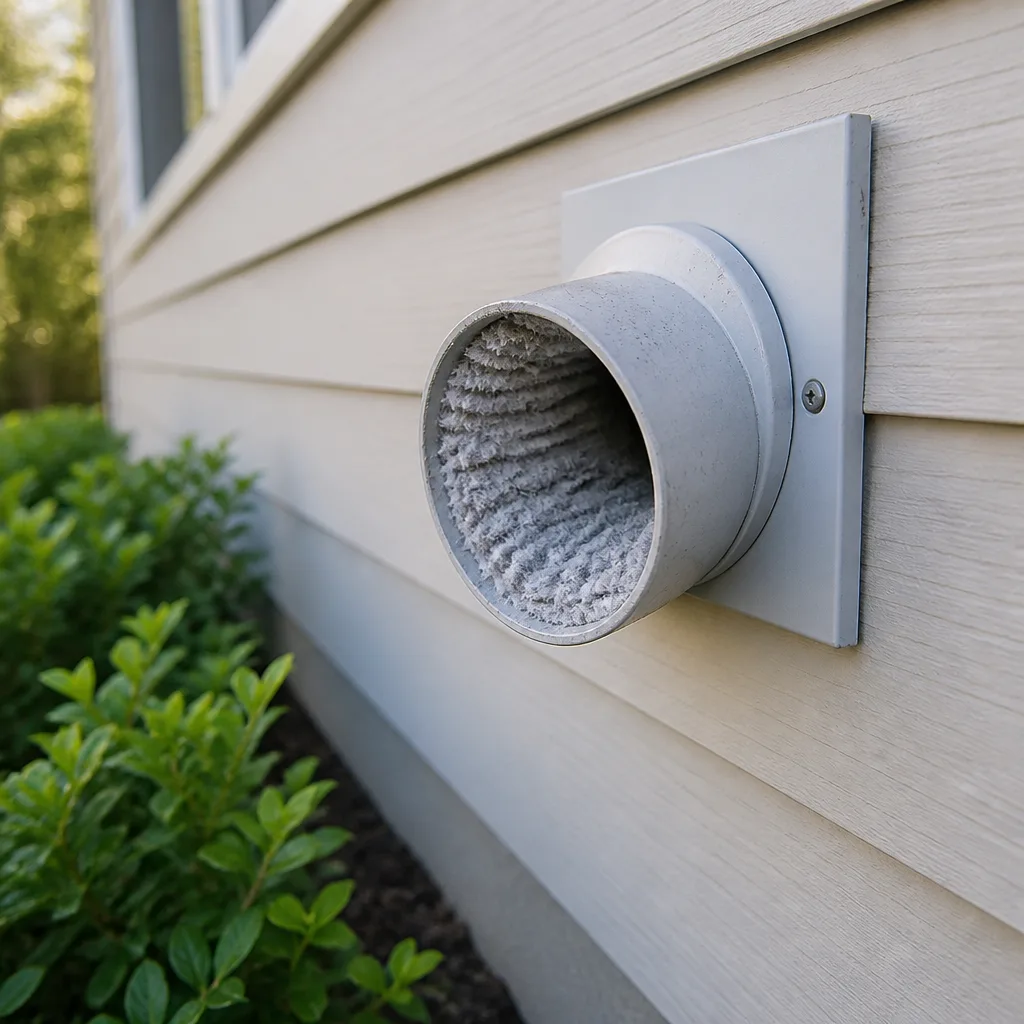 Dryer vent cleaning
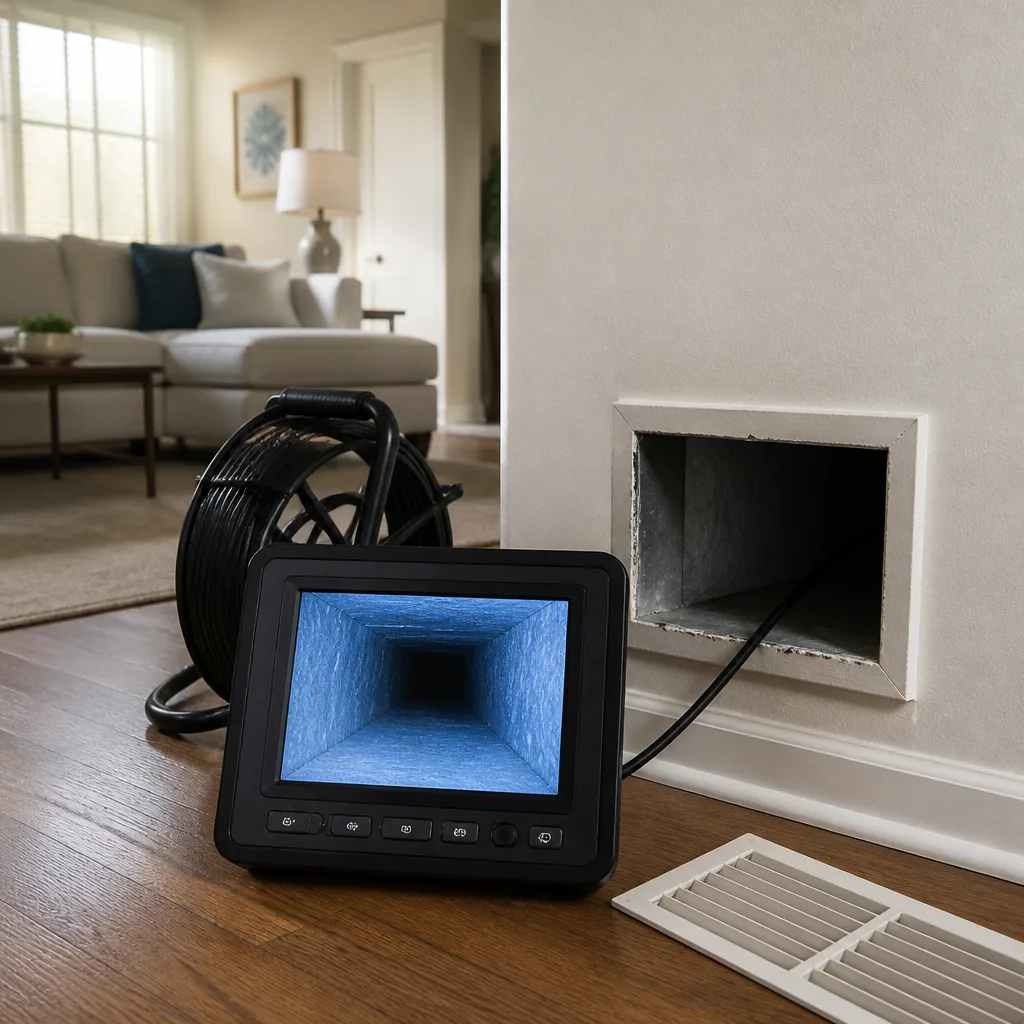 Camera inspection
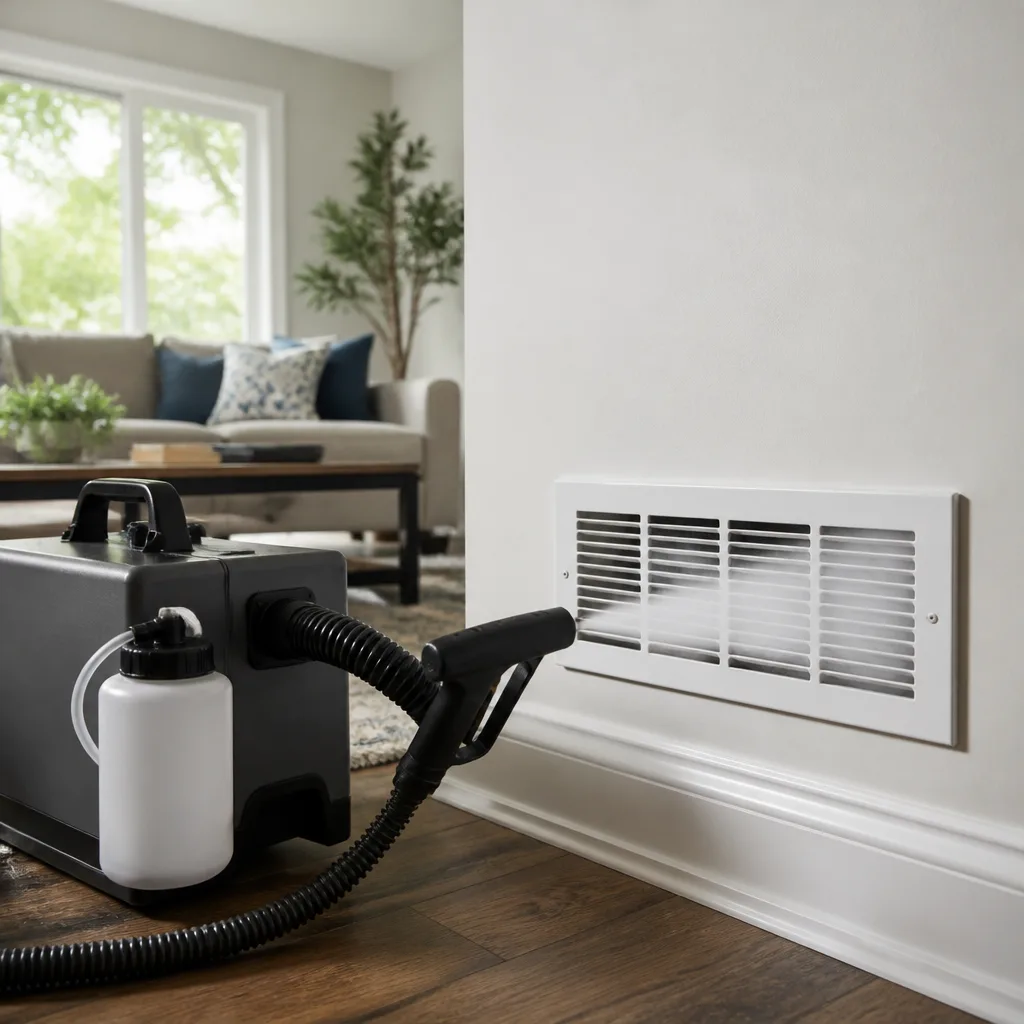 Sanitizing & deodorizing
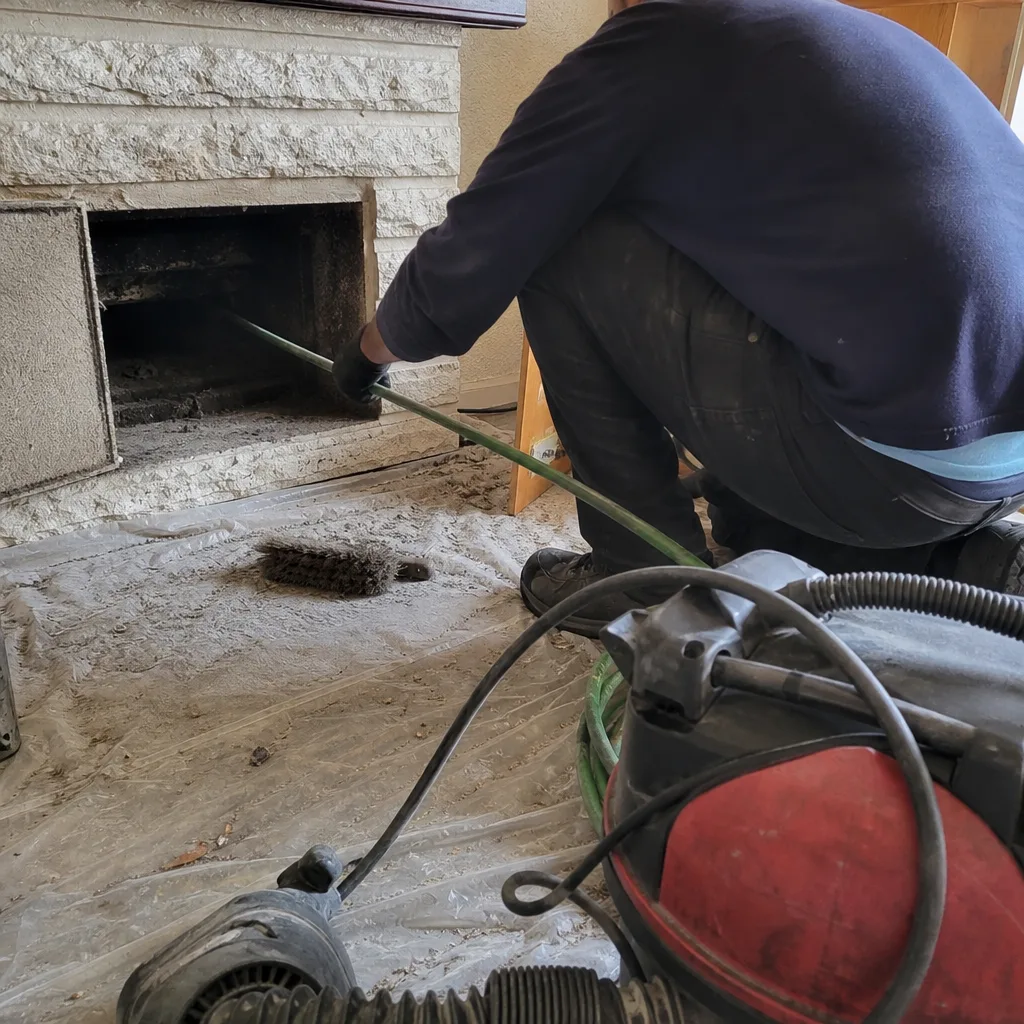
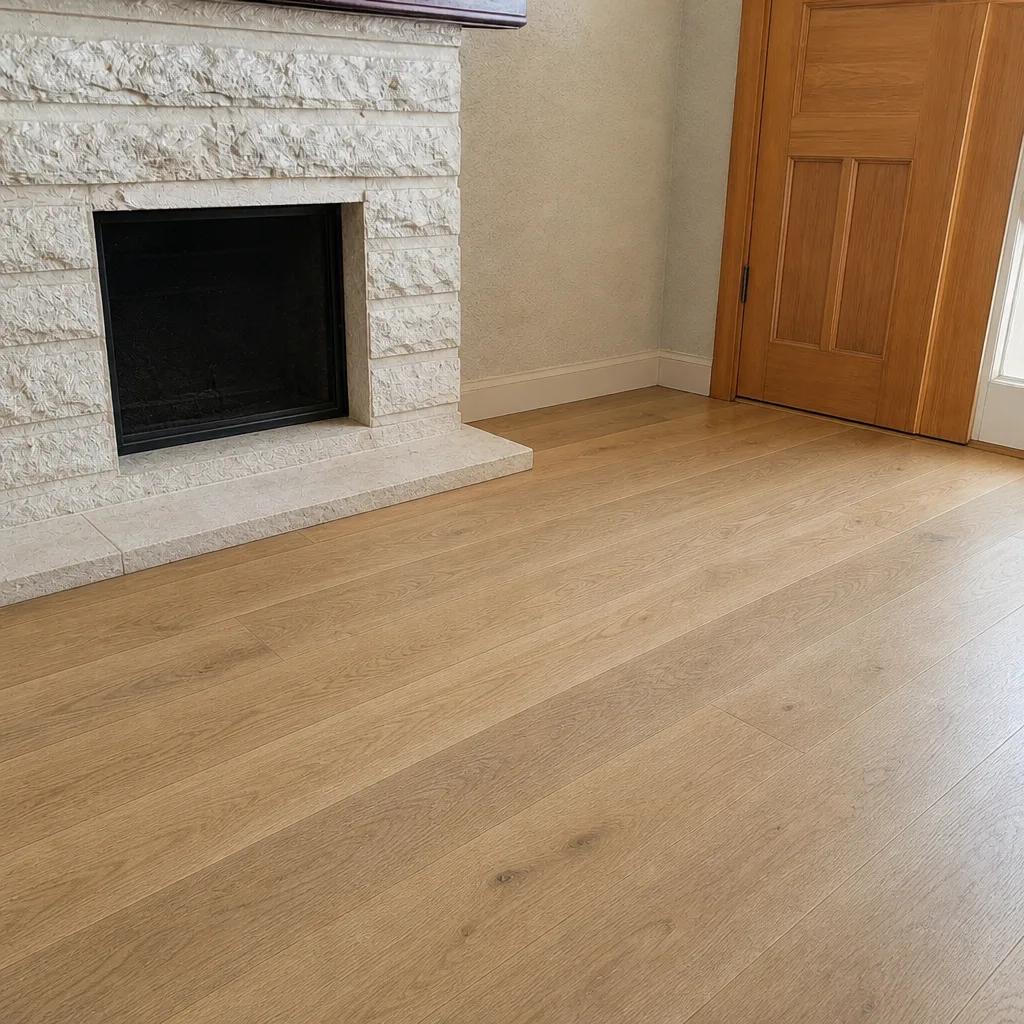
Whole-system duct and dryer vent check with before-and-after photos - you see exactly what came out of your vents
That "$99 whole-house special" is a bait ad - the real number appears once they are in your hallway, or the "clean" is a shop-vac at the register. We photograph the inside of your ducts before and after instead.
Air Duct Cleaning Emergency Preparedness Guide for Mission Viejo Homes
Most homeowners think of their ductwork as passive plumbing for air. It isn’t. It’s the one system in the house that decides whether the air you breathe during a bad week stays filtered or turns into an open channel for whatever is happening outside. During the 2020 Silverado Fire, air quality in Mission Viejo climbed above AQI 200 for multiple consecutive days, and homes with leaky ducts and loaded filters were pulling that contaminated outdoor air straight into living spaces. The HVAC system went from being a barrier to being an infiltration pathway.
This guide covers what to do with your duct system before, during, and after the emergencies that South Orange County actually sees: wildfire smoke intrusion, power outages, and seismic activity. You’ll get specifics on sealing and filtration, operating your system during a smoke event, post-fire assessment, and how to document everything for insurance and the next service call.
Quick Answer
Air duct cleaning and sealing before a wildfire season, power outage, or earthquake is what protects indoor air quality when you need your HVAC most. In Mission Viejo, that means sealing duct leakage, upgrading filtration to MERV-13 where your equipment supports it, verifying the air handler cabinet is intact, and keeping a service record that documents the system’s condition. During a smoke event, run the fan on recirculate with a good filter, or shut the system down entirely if the filter is loaded or the ducts leak badly. After the event, schedule an inspection before resuming normal operation.
Styles & brands we work with
- Whole-home duct cleaning
- Dryer vent cleaning
- Camera inspection
- Sanitizing & deodorizing
Table of Contents
- Why your ducts matter more during an emergency than your windows
- Pre-wildfire season duct preparation
- What to do with your HVAC during an active smoke event
- Post-wildfire duct assessment protocol
- Earthquake preparedness for attic-installed duct systems
- Power outages and duct system integrity
- Building a post-emergency HVAC documentation file
- How this plays out across Mission Viejo neighborhoods
Why Your Ducts Matter More During an Emergency Than Your Windows
Windows are the obvious opening. Ducts are the invisible one. A typical residential duct system in a Mission Viejo home runs through the attic, and that attic is not a sealed box. It’s vented to the outside by design, which means every connection in the duct run is exposed to outdoor air on the outside of the duct and to your living space on the inside. Where those two meet, gaps happen: at the plenum, at flex duct collars, at register boots, at the seam where a rigid trunk meets a takeoff.
Here’s the part most homeowners don’t hear: duct leakage works in both directions. When your system runs, the return side pulls air in through those gaps. During wildfire smoke events in Mission Viejo, that means fine particulate from outside gets drawn into the supply stream before it ever reaches your filter. The filter catches what passes through it, but air that enters downstream of the filter has already bypassed your only defense.
This is why we treat duct sealing as a core part of emergency preparedness, not an upsell. Cleaning a system without addressing leakage is cleaning a system that will reload itself quickly. Clean ducts. Sealed ducts. Healthy air. Those three go together, and in wildfire country they matter in that order.
A second point: the air handler cabinet. If the cabinet panels are loose, the filter slot doesn’t seal, or the blower compartment has gaps, your system is pulling attic and outdoor air around the filter rather than through it. That’s true all year. It’s only a serious problem during a smoke event. Checking cabinet integrity is part of proper HVAC cleaning for exactly this reason.
Pre-Wildfire Season Duct Preparation
Wildfire season in Southern California runs long, and smoke intrusion doesn’t require a fire in Mission Viejo. Smoke from fires across the region can push into South Orange County on prevailing winds for days. The work you do before the season is what determines how your home handles those days. Get this done before the first smoke event, not during it.
- Inspect and seal duct leakage. A trained technician walks the attic run and checks connections at the plenum, collars, boots, and joints. Loose flex duct collars get re-secured. Gaps at rigid joints get mastic or approved tape, not cloth duct tape, which fails in attic heat. Seal the air handler cabinet panels and the filter slot as well.
- Clean the system before it matters. A loaded duct system has no capacity to absorb a new particulate load. Professional air duct cleaning using contact-vacuum equipment and agitation removes what’s already settled so the system starts the season clear. Consumer shop vacuums cannot reach the volume of a residential duct run and stir more than they remove.
- Upgrade filtration to MERV-13 where the equipment supports it. MERV-13 captures fine smoke particulate that lower-rated filters pass through. Before you swap, verify your blower can handle the pressure drop: not every system can, and a filter that’s too restrictive for the blower reduces airflow and can strain the motor. A technician can check static pressure and tell you honestly what your unit will support.
- Verify the air handler cabinet is intact. Panels seated, filter door sealing, no gaps where outdoor air can bypass the filter. This is the single most commonly missed step.
- Consider a standalone air purifier for the room you sleep in. Whole-house filtration through the ducts is limited by leakage and pressure drop. A quality portable unit with a HEPA filter in the bedroom is a reasonable backup layer and doesn’t depend on the duct system at all.
We work with Honeywell and Aprilaire air quality and filtration components because those are systems with established manufacturer support and parts availability. That matters when you’re choosing filtration a season before you need it, not the week of a fire.
What to Do With Your HVAC During an Active Smoke Event
Decisions about your HVAC during a smoke event come down to two questions: how leaky are your ducts, and how good is your filter. If both answers are favorable, running the system on recirculate with a MERV-13 filter provides real filtration and keeps indoor air moving through a barrier. If either answer is unfavorable, running the system can make indoor air worse by pulling outdoor smoke in.
If your ducts are sealed and your filter is fresh
- Set the thermostat to recirculate, not fresh air intake. Close any outdoor air damper your system has.
- Run the fan continuously so air keeps cycling through the filter.
- Keep windows and exterior doors closed. Avoid running bath and kitchen exhaust fans, which pull outdoor air in through the path of least resistance.
- Change the filter more often than usual during a multi-day event. A filter loaded with smoke particulate stops filtering and starts bypassing.
If you don’t know the condition of your ducts
- Shut the system down entirely. This is the conservative choice and it is the right one when you have not had your duct leakage assessed.
- Seal the supply registers with plastic sheeting and tape if smoke is actively infiltrating. This is temporary, but it works.
- Use a portable HEPA purifier in the rooms where you spend the most time.
- Schedule a duct inspection and sealing appointment as soon as conditions allow so the next event doesn’t catch you in the same position.
One note specific to Mission Viejo: the marine layer and afternoon winds interact with smoke plumes in ways that can bring smoke in overnight and clear it during the day, or the reverse. Don’t assume that because the air looks clear at 9am it will stay that way. Check AQI each morning before you decide whether to run the system.
If your system is older or you’re unsure whether it’s ever been cleaned or sealed, this is the moment to have it looked at. Call (877) 883-1452 for a free estimate. We answer 24/7. Fast dispatch from 7am to 7pm, Sunday through Friday.
Post-Wildfire Duct Assessment Protocol
After a smoke event, the question is not whether your ducts need cleaning. The question is whether the particulate load that accumulated is significant enough to require professional cleaning, or whether a filter change and a visual check are enough. Fine ash behaves differently from household dust. It’s smaller, it stays suspended longer, and it settles on surfaces inside the duct system, including the duct lining and the coil.
Here’s the assessment protocol we walk through:
- Check the filter first. A filter that looks gray-brown and matted after a smoke event has done its job, but it also means particulate reached the filter face, which means some reached the return side. Replace it and note the condition.
- Inspect the return plenum and the first section of the trunk. This is where the heaviest load accumulates. A trained technician uses a camera or opens an access point to see whether ash is coating the interior surfaces.
- Look at the evaporator coil. The coil is a dense finned surface and a natural trap for fine particulate. A coil coated in ash loses heat transfer efficiency and can support biological growth once humidity returns. Coil inspection requires opening the air handler, which is not a homeowner task.
- Check the duct lining. Internally lined ducts can hold particulate in the lining material. If the lining is visibly soiled, cleaning is warranted; if it’s degraded or failing, cleaning may not be the right answer and repair or replacement should be discussed.
- Assess for odor. A musty or ashy smell when the system runs after an event is a reliable signal that particulate has loaded in the system.
We use Abatement Technologies air filtration and containment equipment during this kind of post-event work, which is the same class of equipment used in remediation settings. It keeps the work from spreading contamination into the living space while it’s being removed, which matters when the contaminant is fine smoke ash.
Earthquake Preparedness for Attic-Installed Duct Systems
Seismic activity is a real part of living in Mission Viejo, and duct systems are more vulnerable to it than most homeowners realize. The failure points are predictable: flex duct connections at the air handler and at register boots, rigid duct joints where sections are fastened with screws or tape, hangers and supports that attach the run to the attic framing, and the air handler itself if it isn’t strapped or anchored to the platform.
After a noticeable quake, or as a preventive step before one, here’s what matters:
- Flex duct connections. Flex duct is held at collars by ties, tape, or both. Shaking loosens both. A loosened collar means a gap that pulls attic air into the supply stream, which is exactly what you don’t want during the smoky or dusty days that often follow a quake.
- Rigid duct joints. Sectional rigid duct joined with screws and mastic can separate at the seam if the run has any flex or misalignment. Check for gaps and re-seal.
- Hangers and supports. A run that has sagged or dropped is a run that will leak. Sagging flex duct also restricts airflow, which increases pressure elsewhere in the system.
- Air handler anchoring. Verify the unit is secured to its platform. A unit that shifts can crack the plenum connection, which is one of the more consequential post-quake duct failures.
We’ve seen this class of damage repeatedly in South Orange County, and it is almost always invisible from inside the house. The system runs, air comes out of the registers, and the leakage goes unnoticed until a smoke event or a bill increase finally points to it. If your home has never had a duct inspection, an earthquake in the area is a good prompt to schedule one.
Power Outages and Duct System Integrity
A power outage sounds neutral for ducts. It isn’t, in two ways. First, during a long outage the HVAC system stops filtering and circulating, which means whatever air is infiltrating through duct leakage is not being filtered at all. If the outage coincides with a smoke event, indoor air quality degrades quickly. Second, when power comes back on, the system restarts and can pull a surge of settled particulate from the ducts into the living space if the filter is loaded.
Practical points for outages in Mission Viejo homes:
- Before the season, replace filters on schedule so a restart doesn’t pull a surge of particulate. A clean filter at the moment power returns matters.
- If you have a portable HEPA purifier with a battery or a small generator, use it in the room you’re occupying. It doesn’t depend on the duct system.
- When power returns after a smoke event, run the fan only (no heat, no cool) for a short period and then change the filter, rather than immediately running a full heating or cooling cycle through a loaded system.
- If the outage was caused by an event that could have shaken the house, do a visual check of accessible duct connections before assuming the system is intact.
Long outages in South Orange County often come with heat. Interiors heat up, and duct systems in the attic absorb that heat. When power returns and the system runs, the first air delivered can be noticeably hot, which is normal for a short period. What isn’t normal is persistent hot air from the registers hours after restart, which can indicate a disconnected supply run.
Building a Post-Emergency HVAC Documentation File
Here’s the part that saves homeowners real money and real time: a documented record of your duct system’s condition. Insurance claims for smoke-related interior damage and HVAC contamination are decided on documentation, and the next service call goes faster when there’s a prior record to compare against. Put a file together now, not after the event.
What belongs in the file:
- Photographs of the duct system before any event. Accessible attic runs, the air handler, the plenum, the filter slot. Before-and-after photos are the standard we hold ourselves to, and they’re also the standard insurers expect.
- Service records. Dates and descriptions of any duct cleaning, sealing, repair, or filter upgrades. Note the equipment used when the technician provides it.
- Filter specifications and replacement dates. The MERV rating of the filter you installed and the date of each change. A record showing a MERV-13 filter installed before a smoke event is meaningfully different from no record at all.
- Post-event documentation. Photos, filter condition, technician findings, and any cleaning or repair performed. Written findings carry more weight than a verbal summary.
- Communication with your insurer. Keep a copy of anything you submit. If a claim is denied for lack of documentation, a clean record file is your basis for appeal.
We show you what we find before we start and after we finish, and we put it in writing. That record is useful for you well beyond the day of service.
How This Plays Out Across Mission Viejo Neighborhoods
Mission Viejo has a lot of housing stock from the 1970s and 1980s, and the duct systems in those homes reflect the era. Many were built with flex duct in the attic, and much of that flex has been re-taped or re-tied at least once. Homes in established neighborhoods near Lake Mission Viejo and along the older tracts off La Paz and Marguerite tend to have duct systems that have been through a few decades of attic heat cycling, which is hard on tape, mastic, and flex collars. Newer construction and recent remodels often have better-sealed systems, but the air handler cabinet can still have gaps.
What this means practically: in older Mission Viejo homes, the pre-season inspection is doing more work than a filter change alone could. In newer construction, the priority is verifying cabinet integrity and confirming the filter slot seals properly. Either way, the checklist is the same.
Homes closer to ridgelines and open space in the eastern parts of Mission Viejo sit closer to wildland-urban interface areas, which is where wildfire smoke behavior is more directly relevant. Homes in the flatter, more interior parts of town see the same smoke events on windy days, but less consistently. Every home in Mission Viejo should be prepared, regardless of where in town it sits.
Common Mistakes to Avoid
- Assuming closed windows are enough during a smoke event. Windows are the obvious opening; duct leakage is the invisible one. A well-sealed house with badly leaking ducts still pulls smoke in.
- Installing the highest-MERV filter you can find. MERV-13 is the useful target for smoke particulate. MERV-16 in a system not designed for it can reduce airflow and strain the blower, which is worse than the smoke you were trying to filter.
- Running the system on a loaded filter during a smoke event. A loaded filter stops filtering and starts bypassing. Change it early in a multi-day event, not after.
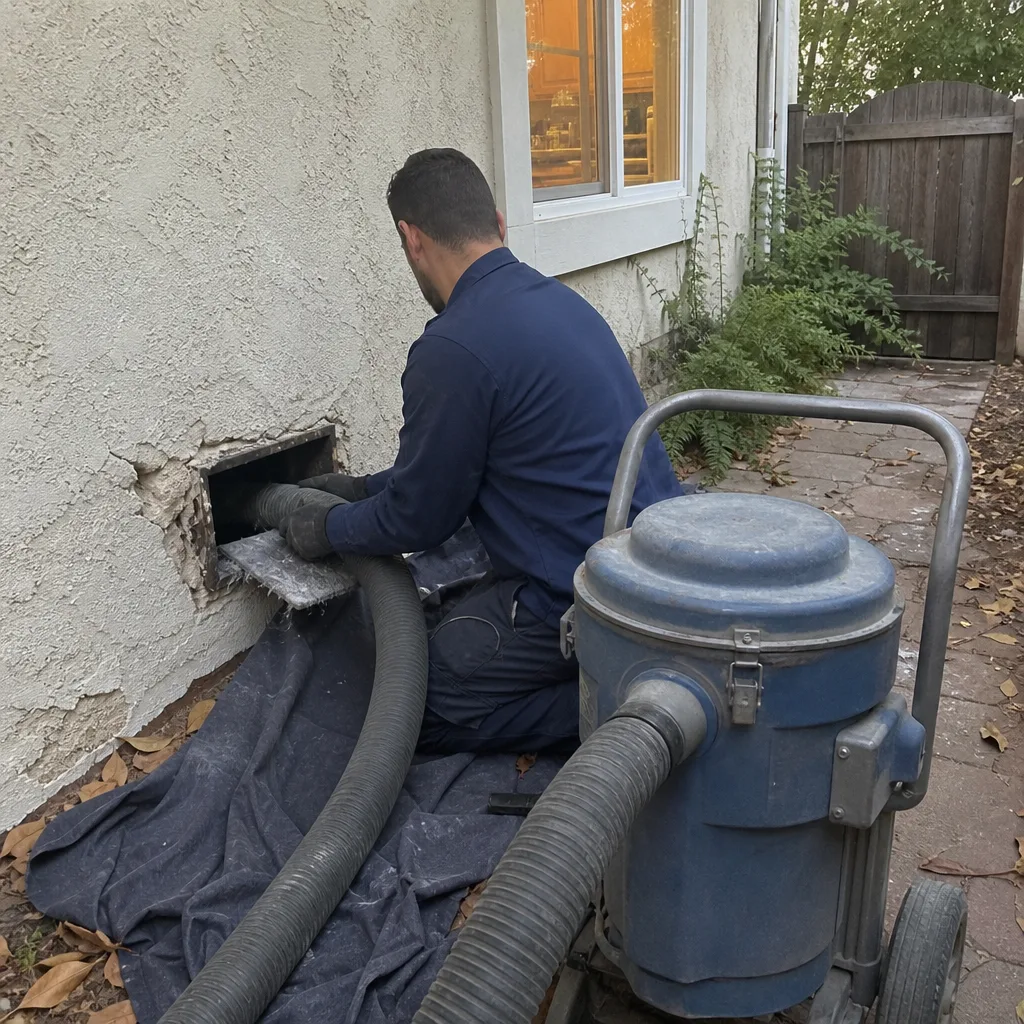
- Using a shop vac to “clean” the ducts yourself. Consumer vacuums don’t have the airflow volume to reach a residential duct run, and they blow more particulate into the room than they remove. Professional-grade equipment is not a marketing detail, it’s the difference between cleaning and stirring.
- Cleaning the ducts without addressing leakage. A sealed system stays clean. An unsealed one reloads within a season.
- Skipping the post-event inspection after a smoke event in Mission Viejo. Fine ash accumulates on the coil and duct lining in ways you cannot see from the registers. An inspection tells you whether cleaning is actually necessary.
- Not documenting anything. Without photos and service records, an insurance claim on HVAC contamination is a much harder argument to win.
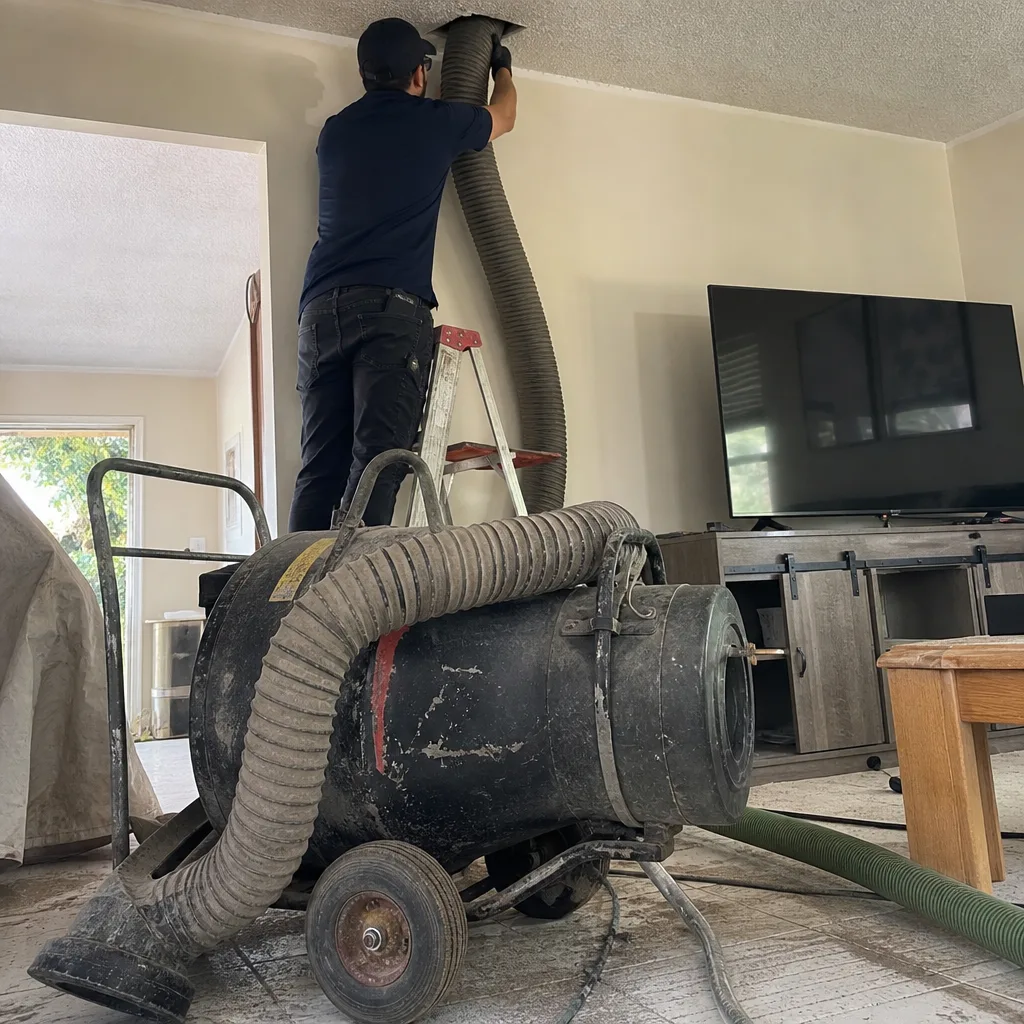
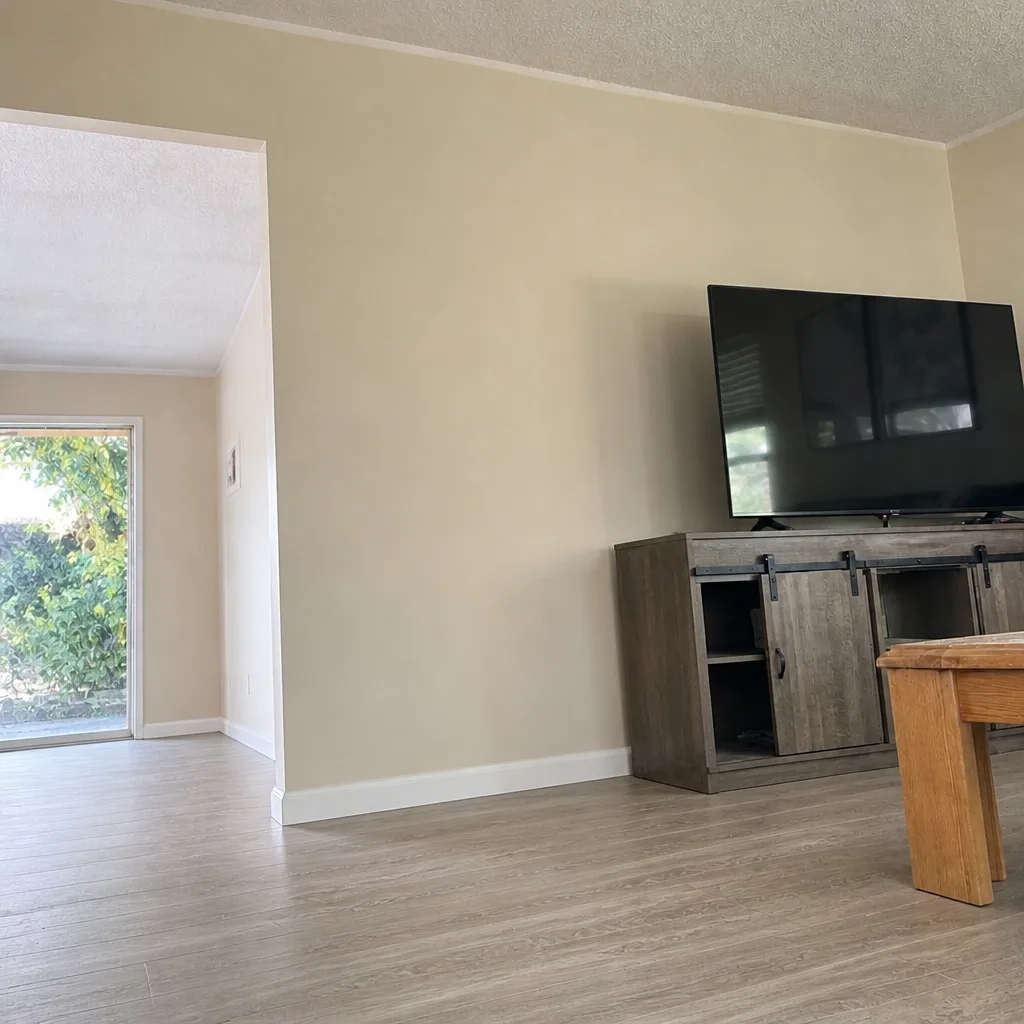
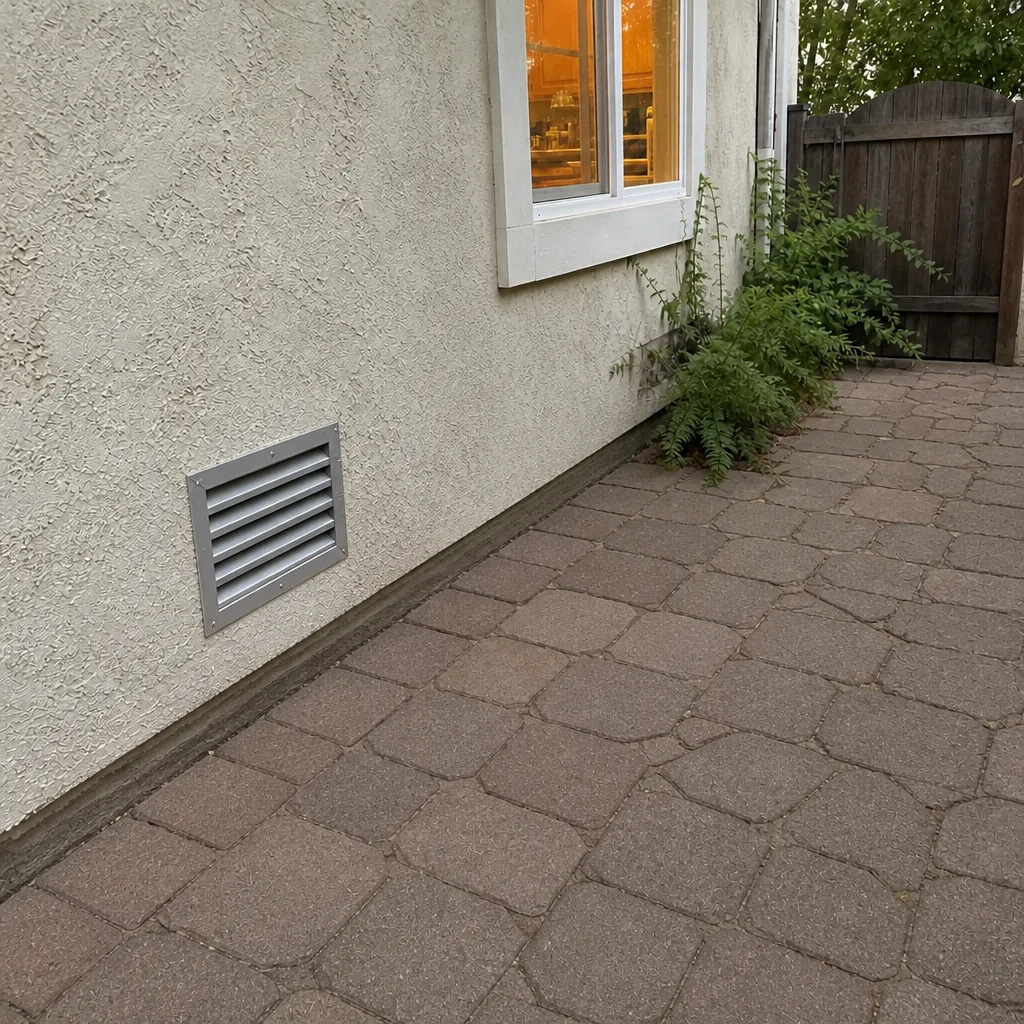
See the difference
 Before
 After
 Before
 After
 Before
 After
When to Call a Professional
Call a professional if your ducts have never been inspected and you live in Mission Viejo, if your system ran through a smoke event without a fresh filter, if you smell musty or ashy air when the system runs, if you’ve noticed a noticeable drop in airflow after a quake, or if a power outage and restart pulled a surge of dust into the house. Call before the next wildfire season even if none of these apply, because pre-season is when the work is easy. Duct cleaning, sealing, and HVAC system cleaning are tasks that require proper equipment and access to the air handler, and doing them right is not a homeowner project. Mission Viejo Air Duct Cleaning Pros offers free estimates in Mission Viejo. Call (877) 883-1452.
Frequently Asked Questions
Three signals point to it: an ashy or musty smell when the system runs, a filter that loaded faster than normal, and visible fine dust at the registers or on nearby surfaces. If any of those appear after a smoke event, an inspection is the right next step. Call (877) 883-1452 for a free estimate.
Only partially, and only if the ducts are sealed and the filter is fresh. A MERV-13 filter in a well-sealed system removes meaningful fine particulate, but duct leakage lets smoke bypass the filter entirely. The filter is one layer; sealing is the other. Professional HVAC cleaning and duct sealing together are what make the system a real barrier.
Yes, if you don’t know the condition of your ducts and filter. Shutting down and sealing the supply registers is the conservative choice. If your ducts are sealed and the filter is MERV-13 and fresh, running on recirculate with the fan continuous is generally the better option. Call us for a free estimate to assess which applies to your system.
Flex duct collars at the air handler and register boots, rigid duct section joints, hanger and support integrity, and air handler anchoring to its platform. These are the failure points that show up after seismic activity. Most are invisible from inside the house. Call (877) 883-1452 to schedule one.
It helps if the assessment shows significant particulate on the duct lining or coil. If the filter did its job and the ducts are clean, a filter change and a visual inspection are enough, and we’ll tell you that. The right answer depends on what the inspection finds, not on a sales pitch. Call for a free estimate.
No. Residential ducts run through the attic and connect to the air handler in ways that require access and equipment beyond consumer tools. A shop vac cannot reach the volume of a residential duct run, and some duct linings can be damaged by improper agitation. Professional-grade equipment matters here. Call (877) 883-1452 for an estimate.
Dryer vents are a separate fire risk, and the same wildfire preparedness logic applies: a vent packed with lint has no room for anything else. If your dryer is taking noticeably longer to dry a load, the vent needs attention. We offer dryer vent cleaning as a standalone service for that reason. Call for a free estimate.
The Bottom Line
Emergency preparedness for your duct system comes down to four things: seal the leakage, keep the filter fresh, know the condition of the system before an event, and document everything. In Mission Viejo, the events that matter are wildfire smoke intrusion, power outages, and seismic activity, and all three interact with duct integrity in ways you cannot see from inside the house. Professional air duct cleaning and sealing done before the season is the single most effective step. If you haven’t had your system assessed, now is the time. Call (877) 883-1452 for a free estimate. We answer 24/7. Fast dispatch from 7am to 7pm, Sunday through Friday.
Mission Viejo Air Duct Cleaning Pros connects Mission Viejo homeowners with independent, licensed local professionals who perform residential and light-commercial air duct cleaning, dryer vent cleaning, HVAC system cleaning, duct repair and sealing, and air quality sanitizing. Our technicians have up to 11 years of experience, and we work with professional-grade Rotobrush and Nikro equipment, Abatement Technologies containment systems, and Honeywell and Aprilaire air quality components. Explore Mission Viejo Air Duct Cleaning Pros for a full view of what we cover.
Written by the team at Mission Viejo Air Duct Cleaning Pros.