
Last updated November 25, 2026
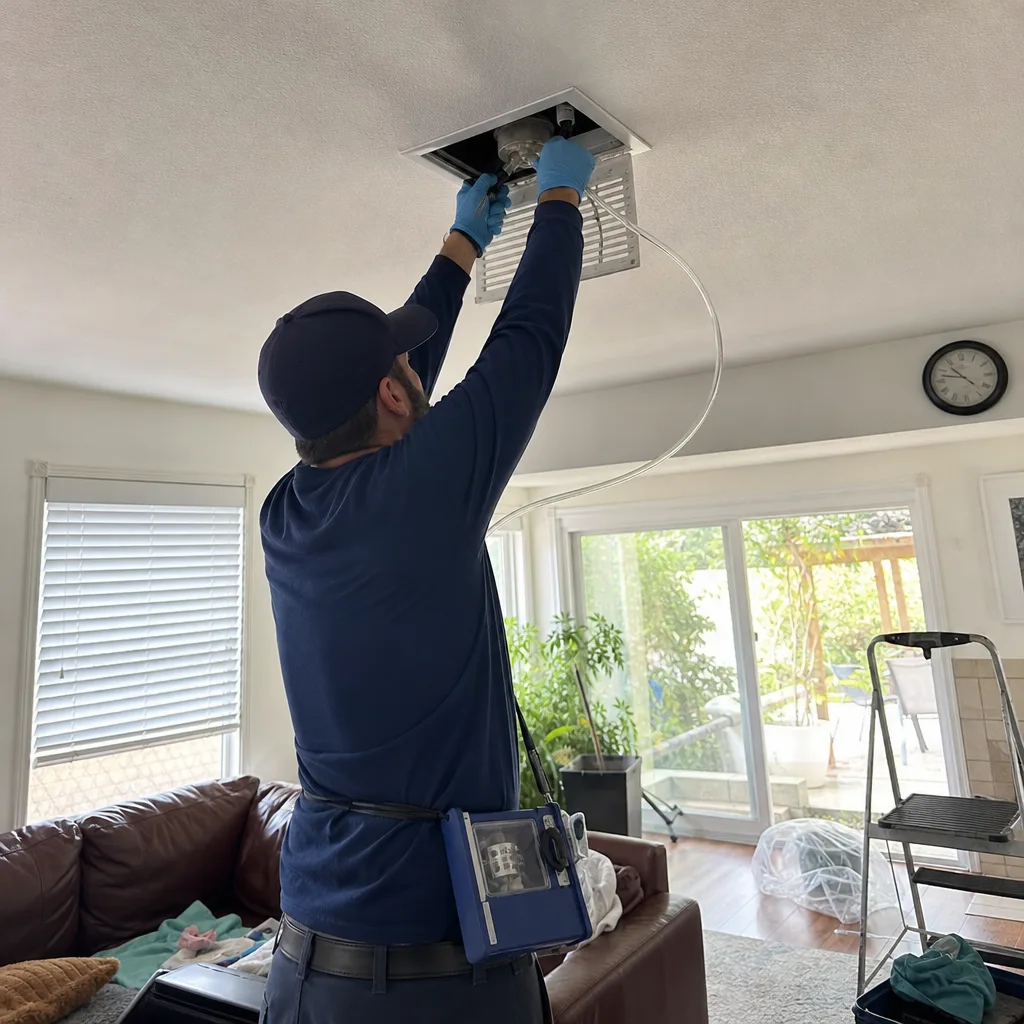
 Whole-home duct cleaning
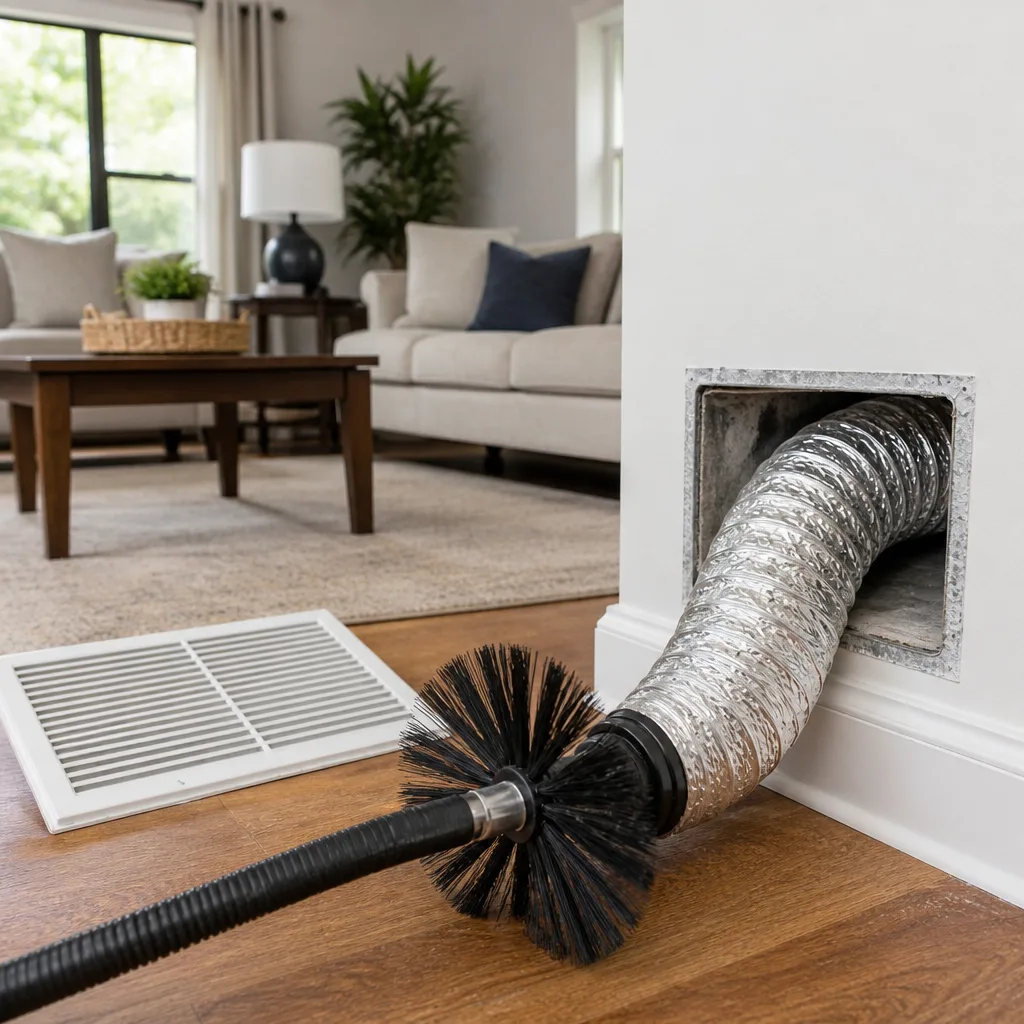
 Dryer vent cleaning
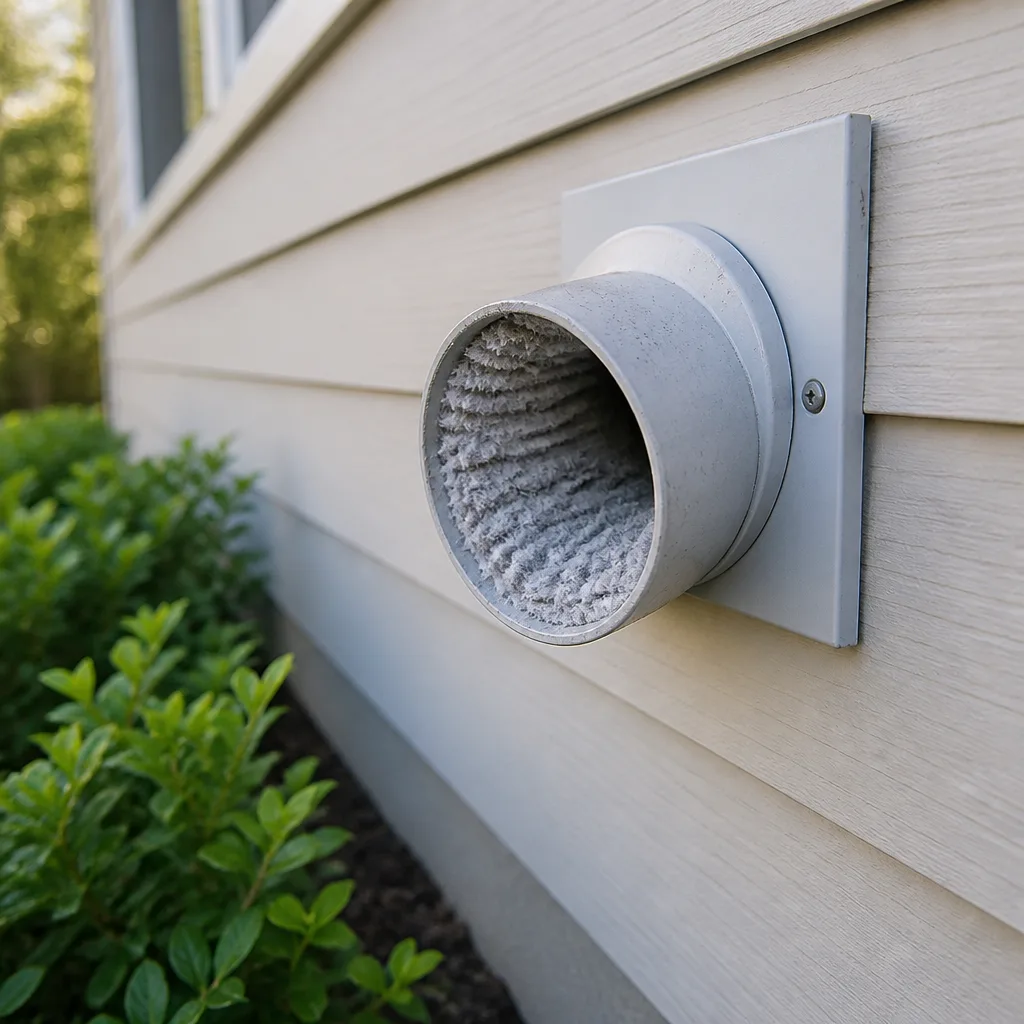
 Camera inspection
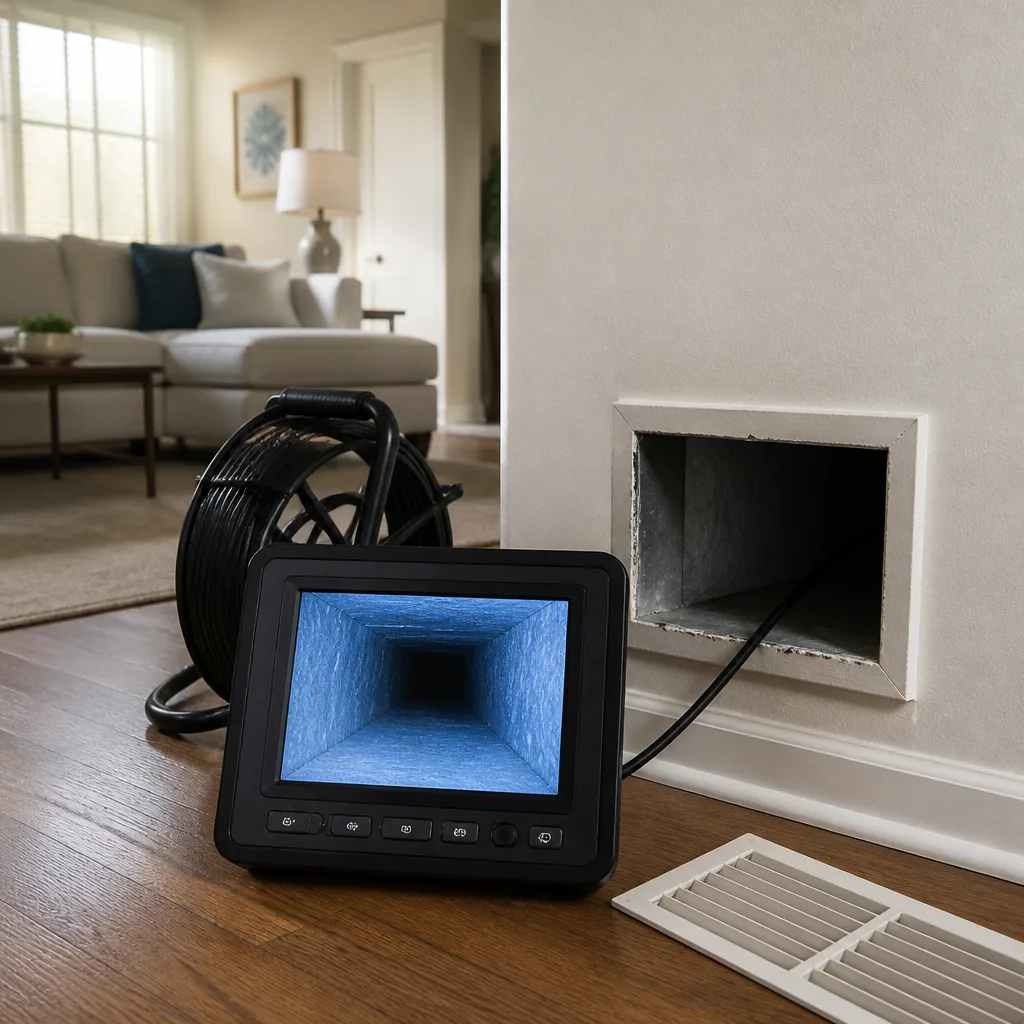
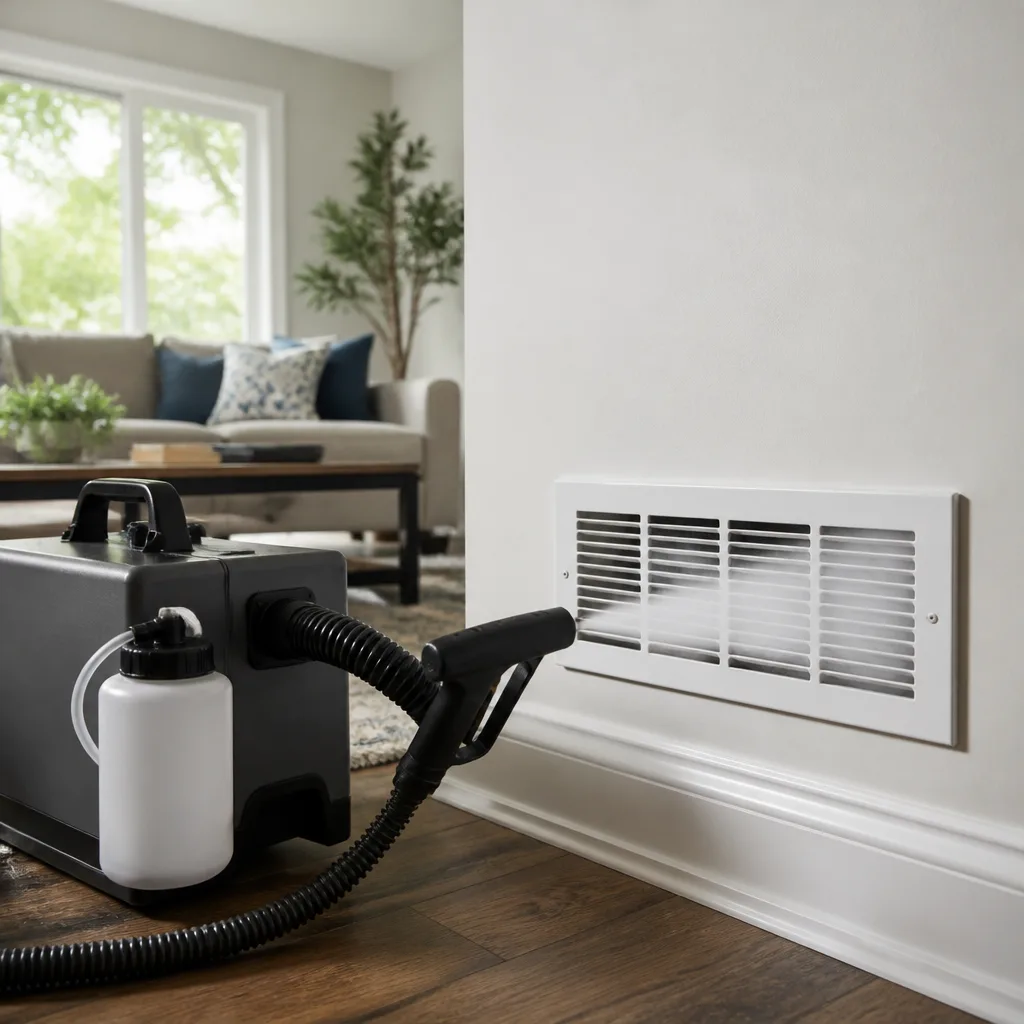 Sanitizing & deodorizing
Whole-system duct and dryer vent check with before-and-after photos - you see exactly what came out of your vents
That "$99 whole-house special" is a bait ad - the real number appears once they are in your hallway, or the "clean" is a shop-vac at the register. We photograph the inside of your ducts before and after instead.
Air Duct Cleaning Maintenance Checklist for Mission Viejo Homeowners
Changing your MERV-11 filter every 90 days while ignoring a disconnected flex duct trunk in the attic is like rotating the tires on a car with a cracked frame. The visible maintenance habit masks the problem underneath. Most Mission Viejo homeowners have never been handed an actual checklist for their duct system, so they do the one thing that feels productive (filters) and skip the observations that catch real failures early. This guide fixes that. You’ll get a room-by-room inspection protocol, a tissue-paper airflow test, filter guidance tuned to our local air calendar, and a logging method that makes every future service call start from a documented baseline instead of zero.
Quick Answer
A practical air duct maintenance checklist for a Mission Viejo home is a set of routine between-service observations, not a cleaning schedule: check each register every month for dust pattern changes, airflow strength and odor, test room-to-room balance with a tissue, replace filters on a schedule matched to the season, and log the results. Professional cleaning then happens when your observations say it’s due, not on a fixed calendar, and our technicians have up to 11 years of experience reading exactly those signals.
Styles & brands we work with
- Whole-home duct cleaning
- Dryer vent cleaning
- Camera inspection
- Sanitizing & deodorizing
Table of Contents
- Why a Checklist Beats a Cleaning Schedule
- The Register-by-Register Inspection (No Tools Needed)
- The Tissue-Paper Airflow Balance Test
- Filter Selection for Mission Viejo’s Air Quality Calendar
- Three Maintenance Tasks That Extend Cleaning Intervals
- Two Habits That Cut Your Cleaning Interval in Half
- What to Log After a Professional Cleaning
- The Dryer Vent Belongs on the Same Checklist
Why a Checklist Beats a Cleaning Schedule
A duct system doesn’t fail all at once. It drifts. A run of flex duct works itself loose at a collar over a few seasons. A supply boot in a hallway ceiling that was sealed with mastic slowly loses its grip. A return grille starts pulling dust off the nearby carpet instead of from the open room. None of these announce themselves with a bang. They show up as a bedroom that never cools evenly, a faint musty note when the fan kicks on, or a dust line on the wall above a register that gets a little darker each month.
That’s why a calendar-based approach misses so much. “Clean the ducts every three to five years” is a reasonable default for a well-built, well-maintained system. It’s a bad plan for a duct system that developed a breach eight months after the last cleaning. A checklist inverts the priority: you inspect continuously and clean when your observations justify it, which is how a professional actually thinks about a system in Mission Viejo.
There’s a second reason the checklist matters here. The housing stock in Mission Viejo ranges from 1970s-era single-story tracts to newer two-story builds with more complex trunk-and-branch layouts, and a system that’s been added onto, re-routed, or retrofitted for a remodel often carries connections the original installer never intended to last this long. Those are exactly the spots a monthly walkthrough will reveal long before a full cleaning would.
What follows is the checklist we’d hand a homeowner if we could. It’s low-effort, it takes maybe fifteen minutes a month, and it gives you the vocabulary to describe a problem accurately when you do call.
The Register-by-Register Inspection (No Tools Needed)
You can learn a lot about the health of a duct system at each register without owning a single tool, aside from a tissue. The key is doing it the same way every time, so changes stand out. Pick one day a month and walk every room in a consistent order, front of the house to back, low rooms before high.
- Look at the grille itself. A light, even film of dust is normal. A dark, sticky or fuzzy buildup, or a dust “shadow” that forms where the air streams out, points to higher particulate load than the system is designed to handle. Note it, don’t panic.
- Look at the wall or ceiling around the outlet. A faint dark halo on the drywall or a dusty outline at the edges of the register collar often means air is escaping around a loose joint or the register isn’t seating flush. That’s a sealing issue, not a cleaning one.
- Smell the air for a few seconds after the fan starts. A musty, earthy, or “old cardboard” smell that fades quickly after the fan runs is a signal worth writing down. It’s one of the earliest signs of moisture or organic buildup somewhere in the system.
- Feel the airflow with the back of your hand. Strong on some outlets, weak on others is common in any house. Weak on the same outlet, every month, that gets weaker over time? That’s a duct-integrity or obstruction indicator worth flagging.
- Check the return grilles separately. Returns pull air from the room. If a return is pulling visible dust off the nearby floor or a pet sleeping near it leaves hair trails, the filter or the return duct itself is the culprit. Also check that the return grille isn’t blocked by furniture, drapes, or a rug pushed against it.
Log what you notice in a notes app or a small notebook. Sketches help. A quick floor plan with each register labeled and one line per register per month becomes far more useful than you’d expect. When you eventually call a professional in Mission Viejo, that log is what turns a vague description into a specific diagnosis, and it saves time on the first visit.
One more thing at this stage. If your home has an accessible attic, glance at any ducts you can actually see safely from the hatch, without climbing. Sagging flex duct with a kink in it, or duct sitting loose and unsupported, or a joint pulled apart at a collar, all show up visually in a way you can’t detect at the register. Note what you see. Don’t go into the attic to investigate closely.
The Tissue-Paper Airflow Balance Test
You don’t need a flow meter to learn whether your duct system is delivering air evenly. A single piece of tissue paper tells most homeowners more than they expect. The test takes about ten minutes and reveals imbalance that dozens of professional cleanings can’t fix, because imbalance is a duct-integrity problem, not a dirt problem.
- Turn the HVAC fan to “on” and let it run for five minutes. You want a steady state before you start.
- Hold a tissue about six inches in front of each supply register. Don’t press it against the grille. Let the airflow catch it. Watch whether it flutters, lifts, or barely moves.
- Rate each supply on a simple 1-to-3 scale. 1 is a firm pull that lifts the tissue at an angle. 2 is a noticeable flutter. 3 is barely any movement. Write the number next to each register on your floor plan.
- Repeat at the return grilles. A return should have a firm, consistent pull. A weak return or a return that pulls stronger in one room than another is a real clue.
- Compare supply strength to room size. A small bathroom with a “3” is not the same as a large bedroom with a “3.” The bedroom is the one to flag.
Here’s what the results mean. A system where every register reads 1 is healthy and balanced, even if the house is older. A system with two 1s, three 2s, and one 3 is calling out the weak spot. That weak register is either starved by a kinked or disconnected branch, choked by a too-small duct run, or undermined by a leak somewhere upstream that’s bleeding air into the attic. In every case, the fix is duct repair or sealing, not cleaning. This is why a full-system approach matters. Cleaning a duct system with a disconnected trunk is wasted effort. Finding and repairing the separation first is what makes the cleaning last.
Run the tissue test once a month at the same registers. A register that used to read 1 and now reads 2 over a few months is telling you something changed. Note the date and the reading. That’s the kind of specific detail that helps a technician isolate the problem on the first visit.
Filter Selection for Mission Viejo’s Air Quality Calendar
Filter choice is the single most misunderstood piece of the checklist. Homeowners tend to assume “higher MERV is always better.” That’s not true. Over-filtration strains the blower, chokes airflow, and can actually drive dust and moisture problems deeper into the system than lower filtration would have. The right filter is a balance between capture efficiency and your system’s airflow capacity, and in Mission Viejo that balance shifts with the seasons.
Our air here has a yearly rhythm worth knowing. Late summer and fall bring Santa Ana wind events: dry, warm, offshore winds that kick up dust and particulate from the hills and inland areas. Those weeks push airborne particulate into homes regardless of how well-sealed the house is. Then the marine layer months of late spring and early summer bring cooler, moister air in the mornings that takes longer to burn off, which can raise indoor humidity inside well-insulated homes.
Here’s how we’d approach filter selection with that in mind:
- Base layer (most of the year): MERV-8 to MERV-11 is the practical sweet spot for most Mission Viejo homes. Good capture of fine particulate, minimal airflow resistance, and no added strain on the blower. This is the filter you run from December through July.
- Santa Ana wind weeks: If you already run MERV-11, you may want to check the filter more frequently during a Santa Ana event and swap it slightly early. If your system can handle MERV-13 without losing airflow, late-summer and fall is the window where the higher-efficiency filter earns its cost. Ask a technician to verify your system can handle it before you switch.
- Marine layer months: Stay at MERV-8 to MERV-11. High-MERV filters in the moist months add strain without extra benefit and can trap moisture more aggressively in the filter media if humidity is high. Change on schedule, don’t extend.
- Filtration products: If you have a Honeywell or Aprilaire media cabinet instead of a standard 1-inch slot, you’re running a different game. Those systems use thicker filters that last far longer and load in a different way. Follow the media panel change indicator rather than the 90-day rule, but still note when you change it.
Regardless of which filter you run, note the MERV rating on your log. That baseline matters if you ever call a professional and describe symptoms: it’s helpful to know what particulate the system was actually designed to catch.
Three Maintenance Tasks That Extend Cleaning Intervals
A well-maintained system can go longer between cleanings than a neglected one. Three specific tasks do most of that work. None of them require a technician, and none of them are difficult, but they’re the habits that separate a duct system that stays clean from one that needs attention every couple of years.
- Seal obvious leaks at accessible connections. Any place where two duct pieces meet and air can escape, seal it. In practice that means the joints at return and supply boots, the collars where flex duct meets a rigid trunk, and the seams on any rigid ductwork you can safely reach. Foil-backed tape or mastic is the right material. Standard cloth “duct tape” is not. It dries, cracks, and falls off, and it’s one of the leading sources of duct leakage in older homes. If the joint isn’t safely accessible, note it and stop there. Don’t climb over anything or reach into tight spaces.
- Keep return grilles unobstructed year-round. Returns pull air from open rooms. A return blocked by a pushed-back sofa, a rug, a closed door, or a decorative screen takes air from wherever it can, including from leaks in the system. Over time that means accelerating dust load in the nearest ducts. Check the returns monthly against your floor plan. Move furniture rather than adding a grille “deflector” that only worsens flow.
- Run the fan periodically during the off-season. When the system sits idle for weeks during mild Mission Viejo weather, dust settles and can build up on duct surfaces without ever getting carried through the filter. Running the fan for a short period once a week during idle months keeps air moving, cycles the filter, and discourages the kind of settling that forces more frequent cleaning.
Those three tasks, done consistently, can meaningfully extend the interval between cleanings for most systems. What they can’t do is repair a separation you can’t safely reach or fix a return duct that was sized wrong from the start. For those, professional service is the correct move.
When it’s time, professional-grade equipment makes a real difference in what actually gets removed. Our air duct cleaning uses Rotobrush and Nikro systems with Abatement Technologies containment equipment, which is a different category of tool from the shop vacuums a low-bid operator brings. If you’re comparing quotes, ask what equipment the company uses. The answer tells you a lot.
Two Habits That Cut Your Cleaning Interval in Half
The flip side of the checklist is honestly naming the two habits that undo everything else. Both are common. Both feel reasonable in the moment. Both shorten the practical life of a clean duct system and make it far more likely you’ll be scheduling professional cleaning sooner than a well-maintained home would.
- Using high-MERV filters in a system that wasn’t built for them. A MERV-16 filter in a blower rated for MERV-11 cuts airflow and increases blower strain. The blower runs longer, the coil ices or the compressor struggles, moisture accumulates, and the duct surfaces you just paid to clean start loading with microbial growth. This happens far more often than homeowners realize. The filter “feels more thorough,” so it feels like the right call. It isn’t, unless the system is designed for it. Ask a technician before you switch ratings, not after.
- Ignoring return vent dust until it becomes visible dust. A return grille that pulls from a near-carpet zone loads up long before it’s obviously dusty. Homeowners who clean their supply grilles but never check returns tend to have double the cleaning frequency, because the return side is the bigger contributor to overall dust load in the system. Add return check to your monthly walkthrough. It’s the single highest-value five-second habit on the list.
One more habit worth naming separately: running the system with the fan on constantly during months when the system doesn’t need it. Continuous fan operation has its place, but for most Mission Viejo homes, cycling the system on a normal thermostat schedule is friendlier to your ducts than leaving the fan running from March through October. The trade-off is real, but the general rule holds: consistent air movement is good, constant air movement with an under-sized filter is not.
What to Log After a Professional Cleaning
What you record after the cleaning is what turns the next service call into a fast, accurate diagnosis rather than a start-from-scratch investigation. Most homeowners don’t log anything, so three years later they can’t tell the difference between “the system got clean and stayed clean” and “the system got clean and re-loaded.” A short, honest log solves that.
We recommend logging at least these details:
- The date of service and the type of service performed (cleaning, sealing, dryer vent, sanitizing, filtration upgrade).
- What the technician found in the system before cleaning: visible dust load, dust type, any microbial indicators, any obvious breach, any disconnected ducts.
- Any repairs done at the same time (sealed joint, replaced flex run, new return boot). A specific description beats “repaired a leak” every time.
- The filter rating installed and the date installed.
- Photographs: before and after, using the photos the technician shows you. If you’re working with a company that doesn’t document the work, that’s a reason to consider a different one.
- Return-grille condition at documentation time and expectations for the next check.
- The tissue-test readings at each register, taken at the same time as the service.
The first time you do this, you establish a baseline. Every future reading gets compared to it. That’s the difference between a plan that improves over time and one that resets to zero on every call. We log before-and-after photos for every job, and we’re happy to walk a homeowner through what the photos show. The comparison is the point. A filter rating on a wall-mounted tag is fine. A page of observed readings is better.
Also log the cost. Not to compare shops, but so you can see whether your intervals are actually lengthening or shortening. A homeowner whose cleanings are getting more frequent over time has a duct problem that maintenance alone can’t solve, and the log makes that visible before it becomes a comfort or air quality issue.
The Dryer Vent Belongs on the Same Checklist
Most duct maintenance checklists stop at the HVAC system. That’s a mistake. The dryer vent is the other duct system running through your home, and it’s the one carrying the most concentrated combustion heat and lint load of anything in the house. Dryer vent cleaning is a dedicated service with a different purpose from air duct cleaning: it reduces fire risk first, and improves dryer performance second. The two belong on the same checklist because they share a failure mode (lint and dust accumulation) and because a homeowner tracking one is naturally tracking the other.
What to add to the monthly walkthrough:
- Check the dryer lint screen every load, not every week. A clogged screen is the fastest single contributor to dryer vent loading.
- Feel the exterior vent flap during a drying cycle. A strong, steady outward push is normal. Flutter, weak flow, or air leaking around the flap indicates a restriction somewhere in the run.
- Time a normal load. If the same load that used to dry in 45 minutes is now taking 70, the vent is loading up. That’s a signal to schedule the vent cleaning, not to run the load again.
- Inspect the vent run if it’s accessible. Look for the same sagging, kinking, and disconnected joints you’d look for on HVAC duct. Dryer vent runs are frequently longer, less supported, and easier to disconnect than HVAC runs.
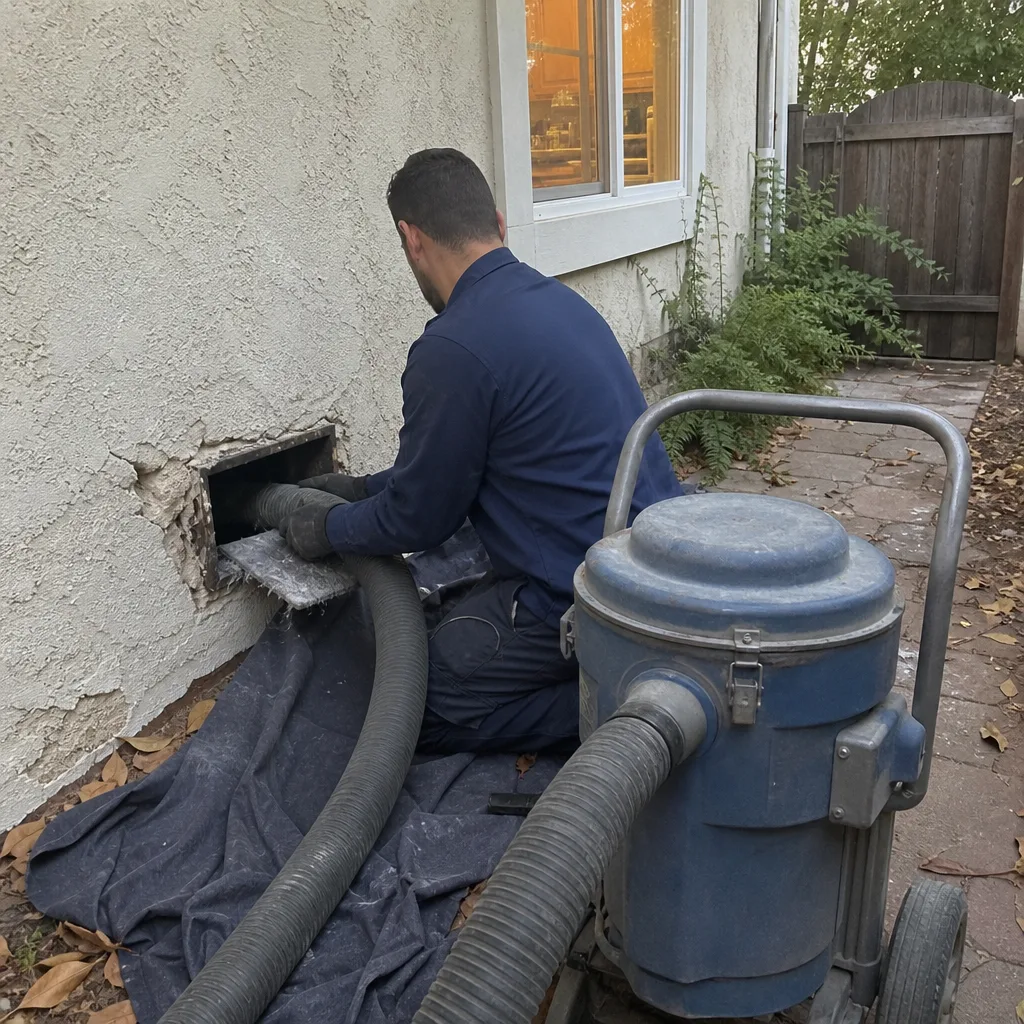
Dedicated dryer vent cleaning is worth scheduling on its own interval, and it’s often handled in the same visit as the air duct service when both are due. Keep it in the same log. A homeowner tracking both systems together has a much clearer picture of what’s actually happening in the duct network of their house, and no misconception about which one is the fire risk.
For the full indoor air quality chain, our HVAC cleaning covers the blower, coil, and air handler side that a duct cleaning alone leaves alone. A system with clean ducts and a dirty air handler is only half clean, and it’s the half most homeowners never think to ask about.
Common Mistakes to Avoid
- Trusting a coupon price to mean a real cleaning. A “duct cleaning” offer at a per-vent rate is usually a shop vac and a quick pass, not a full-system clean. The invoice typically grows once the technician is on site. Ask for the price per system in writing before any work starts.
- Using high-MERV filters without verifying the blower can handle them. Higher filtration in an under-built system chokes airflow and drives moisture problems that cost far more to fix than the filter saved. Confirm the rating with the system, not the marketing shelf.
- Cleaning a duct system before repairing a disconnected or badly leaking trunk. Cleaning a breached system is wasted work. The dirt re-enters immediately through the breach. Sealing first, then cleaning, is the correct order.
- Ignoring return grilles during the monthly walkthrough. Returns carry far more dust load than supplies in most Mission Viejo homes because they pull from the room at floor level. A return grille check takes five seconds and catches a large share of load problems before they become permanent.
- Assuming a visible dust film means “the cleaning didn’t work.” A small film right after service is normal in most homes, especially if the register diffuser itself wasn’t removed and cleaned. A heavy dust film, or a return that fills fast, is the signal to investigate the system rather than the cleaning.
- Skipping the dryer vent because “the dryer still works.” The dryer working is not evidence the vent is clear. The two are related but not identical, and a vent at 60 percent restriction will still dry clothes, just more slowly, while carrying the same fire risk as one fully clogged.
- Doing a professional cleaning with no record of what was done. Without a log of what was found, repaired, and photographed, the next service call starts at zero and can’t learn from the last one. Log the baseline every time.
See the difference
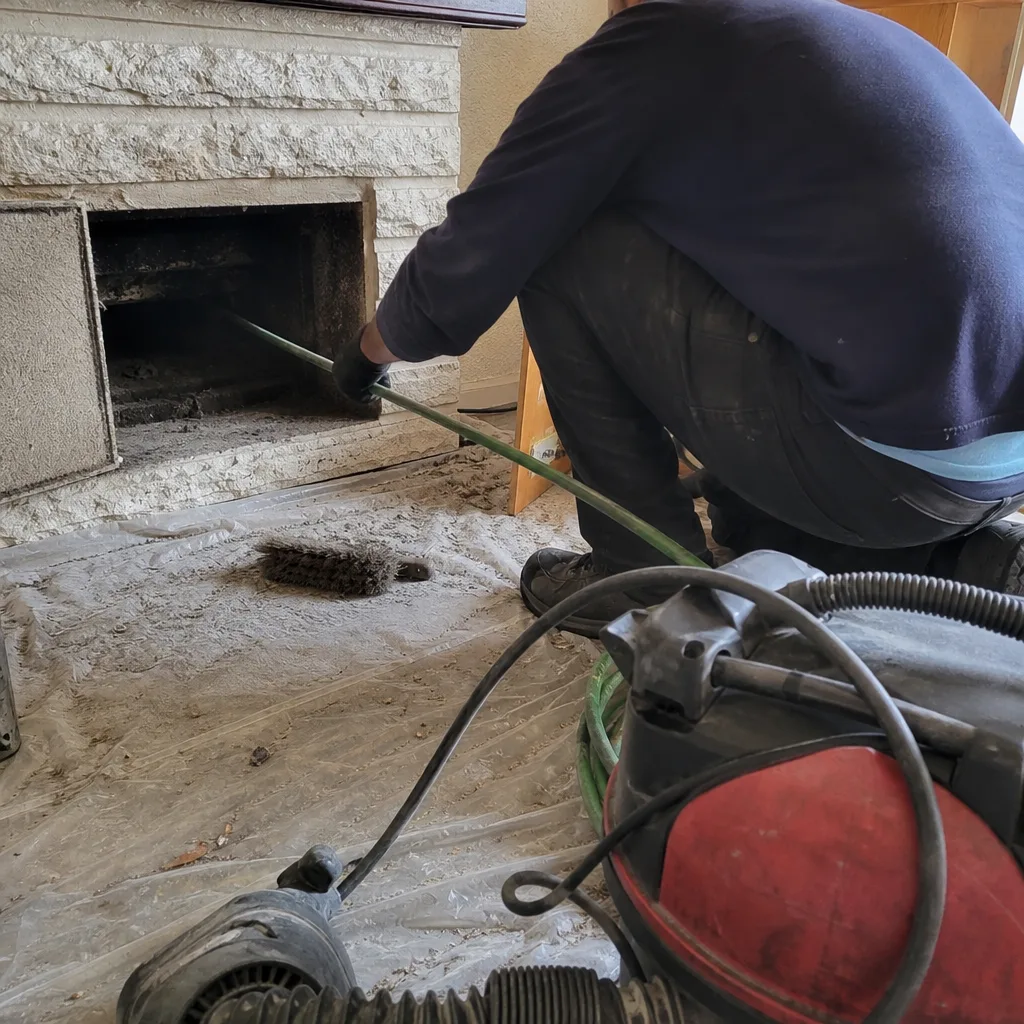 Before
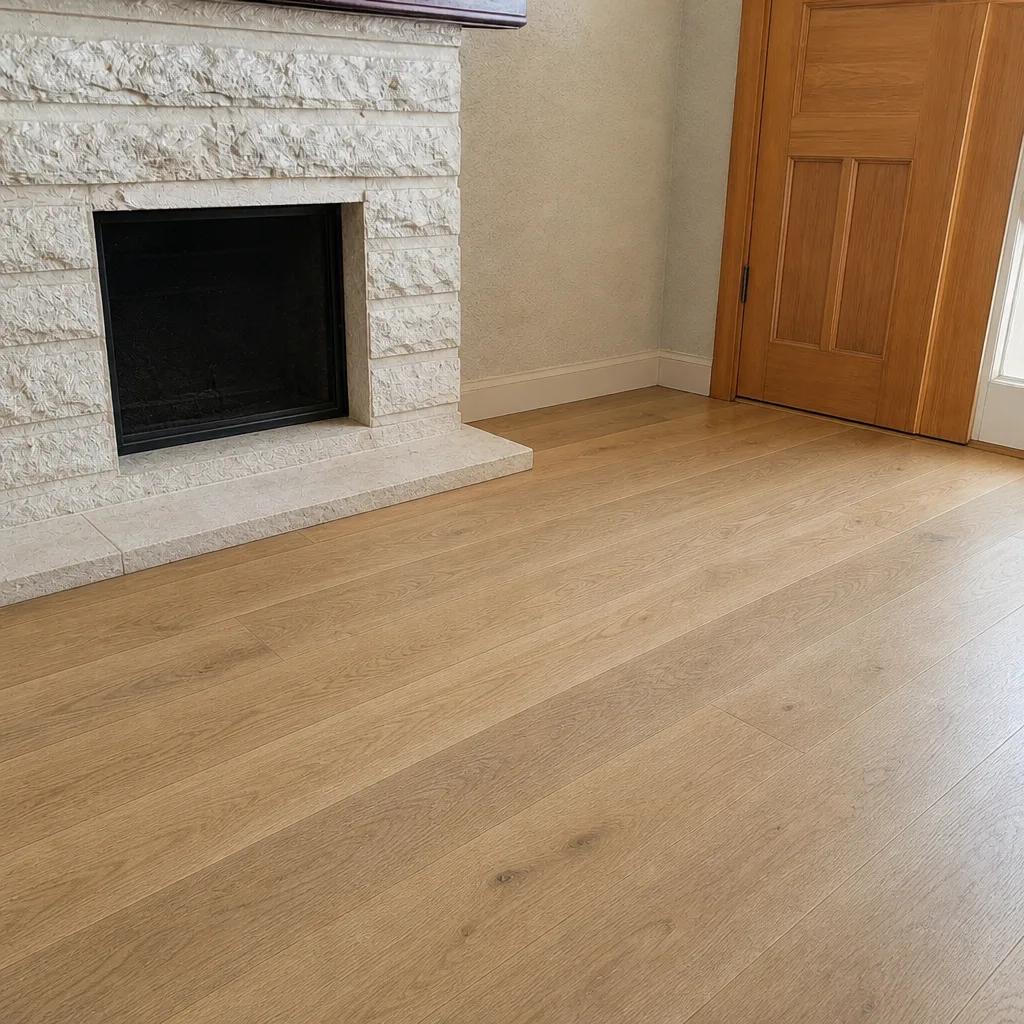 After
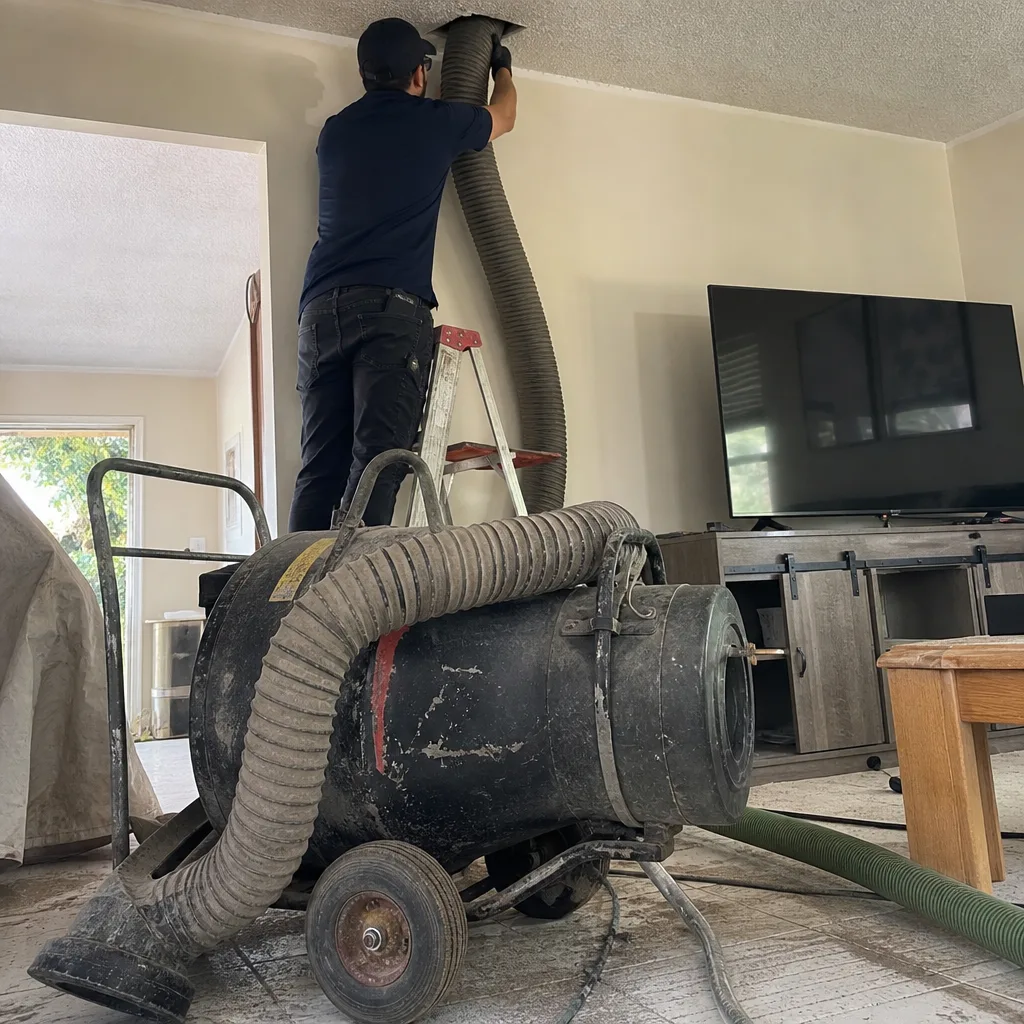 Before
 After
 Before
 After
When to Call a Professional
Some observations in the checklist call for a professional visit, not another month of watching. The clearest triggers: a tissue-test reading that gets progressively weaker at the same register over several months (a duct-integrity issue, not a dirt issue); a return that fills with visible dust far faster than others; a musty smell that persists after the fan runs for several minutes; visible dust lines streaking out from multiple registers; a disconnected duct or obvious breach visible in an accessible attic; or a dryer vent whose exterior flap has weak flow. Any of those justifies a call.
Mission Viejo Air Duct Cleaning Pros offers free estimates in Mission Viejo – call (877) 883-1452. We’ll walk the system, show you what we find before we start, and give you a written estimate before any work begins. The price is one flat price per system, agreed before work starts. No per-vent pricing, no bait-and-switch. And you’ll see before-and-after photos of your system so you know the work was actually done. Call (877) 883-1452. We answer 24/7. Fast dispatch from 7am to 7pm, Sunday through Friday.
Frequently Asked Questions
For most Mission Viejo homes with normal occupancy and consistent filter maintenance, every three to five years is a reasonable interval, but your own checklist readings should set the actual date. A home with pets, higher household dust, recent remodeling, or a system that’s been showing weak-register readings on the tissue test may need it sooner. Call (877) 883-1452 for an exact quote – estimates are free.
Because the low quote usually isn’t for the same job. Very low per-vent prices typically buy a shop-vac pass and a time-boxed sweep, not a full-system clean with professional-grade equipment and containment. Rotobrush, Nikro, and Abatement Technologies equipment costs significantly more than consumer tools, and it does meaningfully more work. Ask what equipment the company uses and what the price per system actually is, in writing.
Cleaning removes accumulated dust, debris, and buildup from the inside of the duct surfaces. Sealing closes the leaks and breaches that let air escape and pull dirt in. In a system with a disconnected or leaking trunk, sealing is the step that makes cleaning last. If you’re getting a duct repair quote and a duct cleaning quote from separate companies, the two will likely be talking past each other. A company that does both understands the order that matters. Call (877) 883-1452 for an exact quote.
You ask for before-and-after photos of the system. A professional operation documents the system’s condition before cleaning starts and after it’s finished, and shows you the photos. Mission Viejo Air Duct Cleaning Pros does this on every job. If a company can’t show you the before and after, ask why before you call. Call (877) 883-1452 for an exact quote – estimates are free.
Yes, in two ways. First, check your filter mid-cycle if the event runs more than a few days, since fine particulate load spikes during Santa Ana wind season. Second, expect higher visible dust at the registers for a few weeks after the event clears, and don’t treat that as a cleaning failure. If you’re running a Honeywell or Aprilaire media cabinet, the indicator will tell you when to change; otherwise, check and photograph the filter rather than replacing it early. Call (877) 883-1452 for an exact quote.
Yes, and it’s the highest-return habit on this list. A record of what was found, what was repaired, and what the tissue-test readings were turns the next visit into a diagnosis rather than a fresh investigation. Without it, every call starts at zero. Keep the log with your filter change notes and dryer vent service dates. Call (877) 883-1452 for an exact quote if you’re not sure how to build one.
The Bottom Line
An air duct maintenance checklist for a Mission Viejo home is a habit of observation, not a cleaning schedule. The three actions that matter most: walk every register and return once a month with a tissue and a quick visual check, treat the tissue test’s weak spots as duct-integrity clues rather than reasons to clean, and log what you find after every professional service so the next call starts from a real baseline. Seal leaks safely where you can reach them, keep the returns clear, run the fan during idle months, and put the dryer vent on the same checklist as the HVAC ducts. That’s the plan that keeps the system clean longer, catches failures earlier, and gives you a documented picture of what’s actually happening in the ducts above your ceiling.
Written by the team at Mission Viejo Air Duct Cleaning Pros.